
Solar Street Light Components & System Design FAQ
A solar street lighting system is not a single product—it is a fully engineered system composed of multiple critical components working together.
Each component directly affects lighting performance, system reliability, and long-term stability, especially in African environments where climate, road conditions, and infrastructure requirements vary significantly.
This guide explains how each component works and how it should be selected for different project scales, including M1–M5 road lighting standards used in African municipal and highway projects.
Africa M1–M5 Road Context
Before understanding components, it is important to understand the road classification used in African lighting projects:
| Level | Road Type | Application |
|---|---|---|
| M1 | Highways / Expressways | High-speed traffic, long-distance roads |
| M2 | Major Urban Roads | City main roads, high traffic density |
| M3 | Secondary Roads | Municipal streets, urban access roads |
| M4 | Residential Roads | Community roads, housing areas |
| M5 | Rural Roads | Villages, off-grid areas |
Solar Street Light Components
Before understanding components, it is important to understand the road classification used in African lighting projects:


Solar Street Light System Design Logic
A properly engineered solar street lighting system must balance:
Energy Input
Energy Storage
Energy Output
System Control
Components & System Design FAQ
Solar Components
What are the main components of a solar street light system?
A complete solar street lighting system includes:
- Solar panel (energy generation)
- Lithium battery (energy storage)
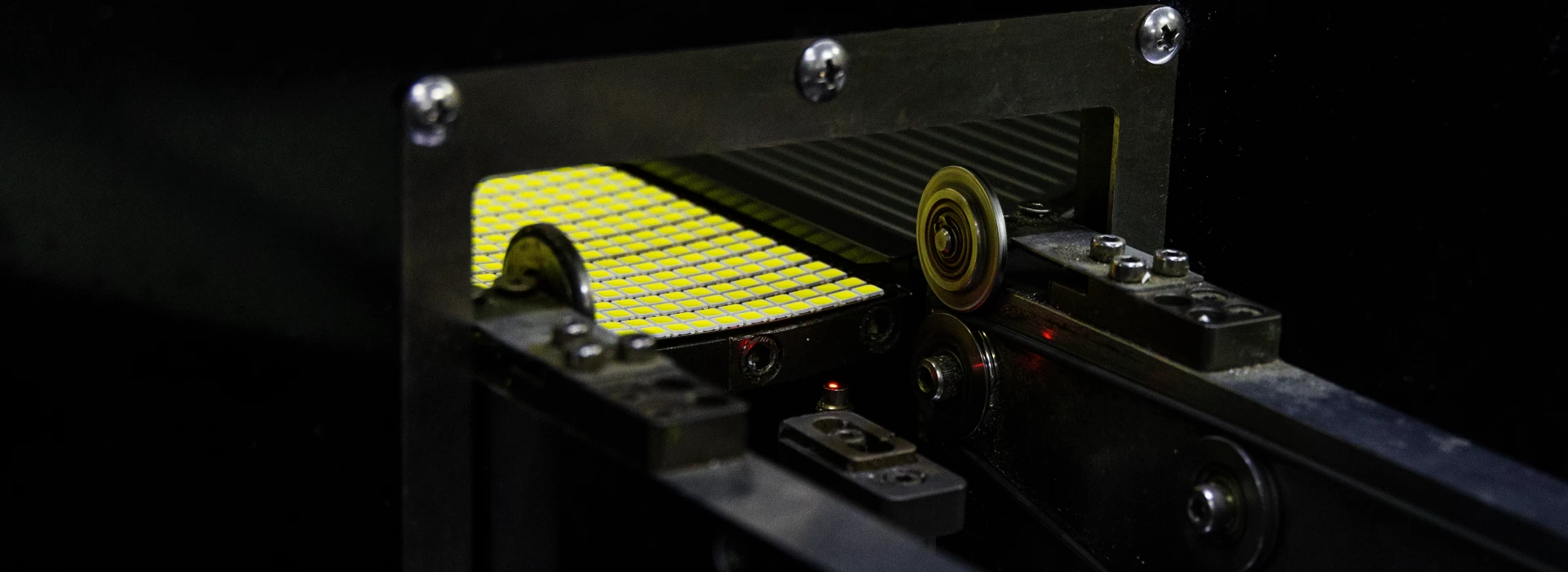
- LED module (light output)
- MPPT controller (system brain)
- Pole & housing (structural support)
Each component must be properly matched to ensure stable performance.
How does the solar panel affect system performance?
The solar panel converts sunlight into electrical energy.
Its performance depends on:
- Panel efficiency
- Surface area
- Local solar radiation
- Installation angle
M1–M5 Design Logic:
- M1–M2: High-power large panels
- M3–M4: Medium panels
- M5: Compact high-efficiency panels
👉 Undersized panels cause insufficient charging during rainy seasons.
Why is lithium battery critical in solar street lights?
The lithium battery stores energy for nighttime operation.
Key factors:
- Capacity (Wh)
- Depth of discharge
- Temperature resistance
- Cycle life
Africa Design Rule:
- M1–M2 → Large capacity + 3–5 days backup
- M3–M4 → Medium capacity + 2–3 days backup
- M5 → Compact system + 1–2 days backup
What is the role of MPPT controller?
An MPPT (Maximum Power Point Tracking) controller optimizes energy conversion between a solar panel and a battery.
Functions:
- Maximize charging efficiency
- Prevent overcharging
- Intelligent discharge control
- Night lighting management
👉 It is the “brain” of the system.
How does LED module selection affect road lighting?
LED module determines:
- Brightness (lumens)
- Light distribution
- Uniformity
- Energy consumption
M1–M5 LED Design:
| Level | LED Power | Application |
|---|---|---|
| M1 | 120W–300W | Highways |
| M2 | 80W–120W | Urban main roads |
| M3 | 40W–80W | Municipal roads |
| M4 | 20W–40W | Residential roads |
| M5 | 10W–30W | Rural lighting |
How do components affect system reliability?
System reliability depends on component matching:
- Oversized LED + small battery → failure risk
- Large battery + weak panel → insufficient charging
- Poor controller → unstable lighting
👉 Proper engineering balance is critical.
How are components adapted for African environments?
African conditions require:
- High-temperature resistant batteries
- Dust-proof solar panels
- Anti-corrosion housing
- Long rainy season backup design
Can components be customized for different projects?
Yes. For OEM and engineering projects, components can be customized based on:
- Road classification (M1–M5)
- Project budget
- Climate conditions
- Lighting standards
- Government specifications
Need a Custom Solar Street Light System?
We design complete solar lighting systems based on M1–M5 road standards for Africa projects.
Related Resources
Product Selection Guide
Engineering Design FAQ
Solar Components FAQ
Performance FAQ
Installation FAQ
Africa Projects FAQ
OEM & Distribution
Shipping & Delivery
Warranty & Support
Distributor Cooperation
Project Inquiry
Request a Quote
The messenger of light & power conversion.
© 2026 Queneng Light
 Jason Qiu
Queneng
Queneng
Queneng
Queneng