
Solar Street Light Certifications
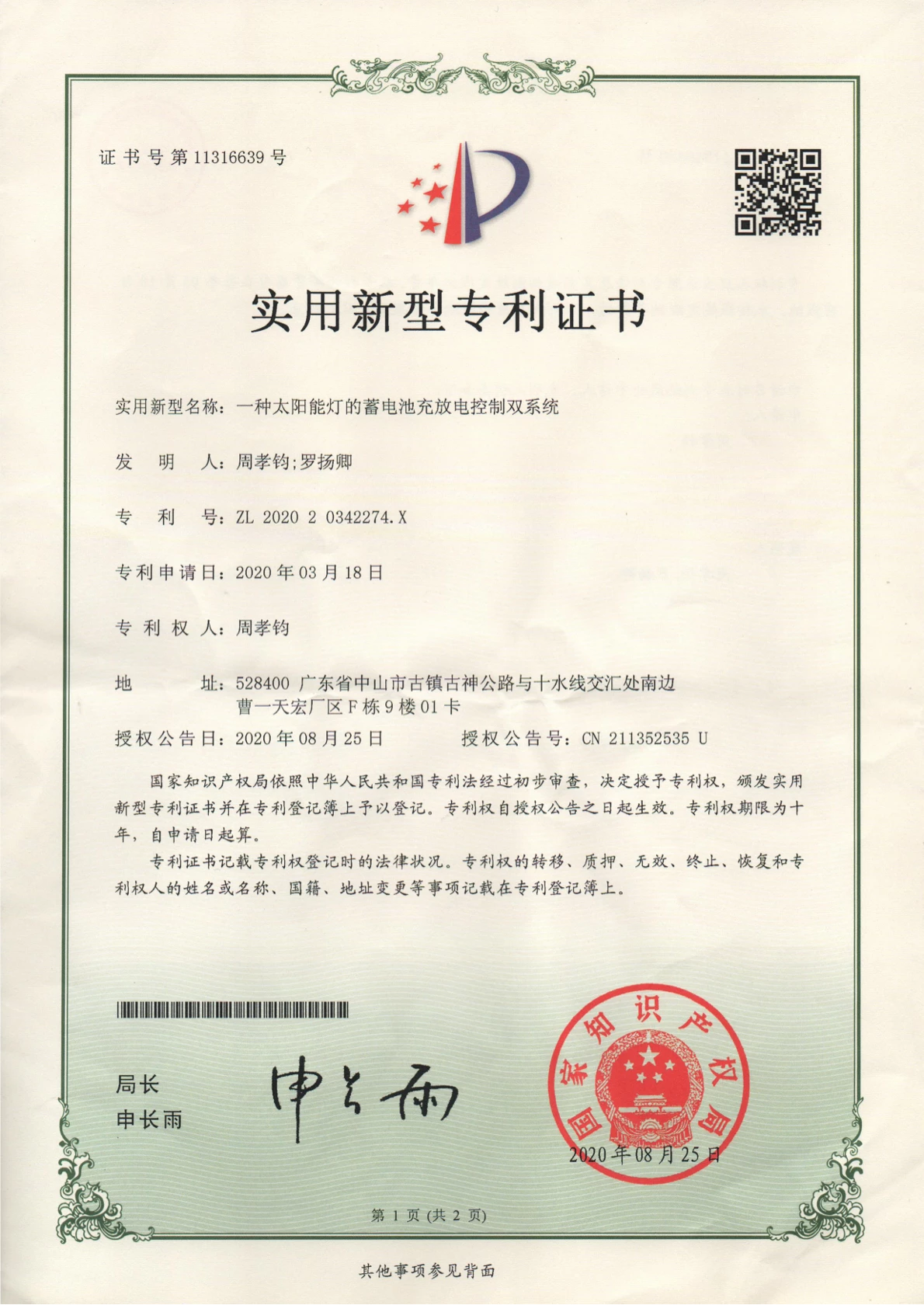
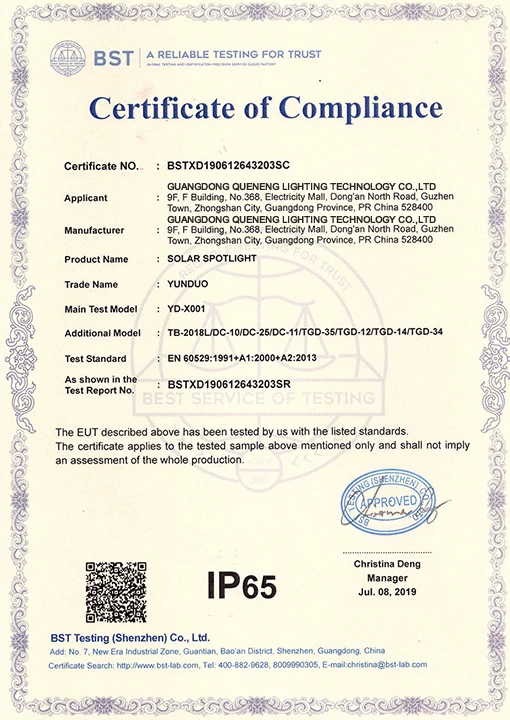
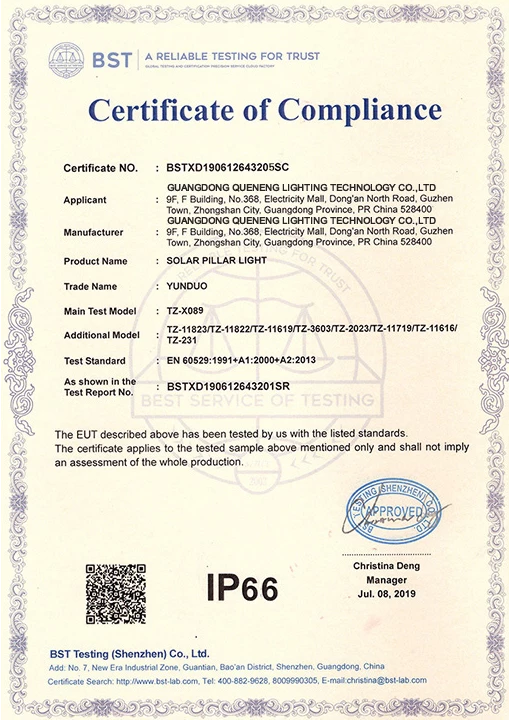
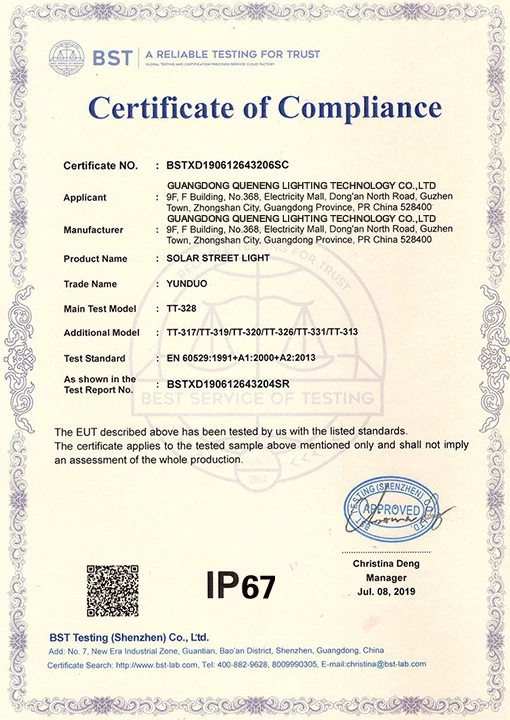
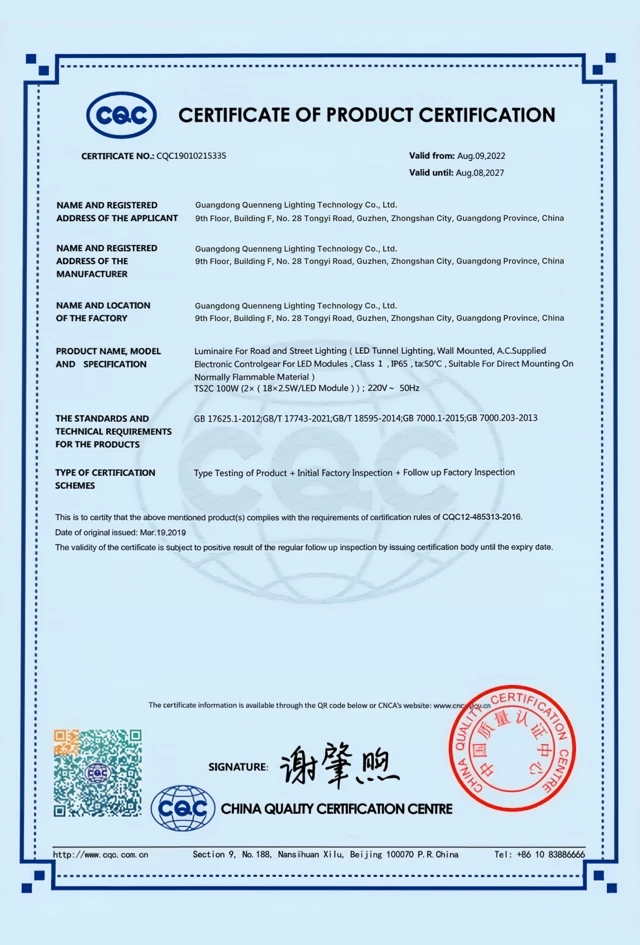
Certified Quality for Every Solar Lighting Project
Reliable products begin with verified quality standards.
Quality is built through disciplined manufacturing, verified through systematic testing, and recognized through independent certification.
At Queneng, our commitment to quality extends beyond internal manufacturing processes. We continuously work to comply with internationally recognized standards and product certification requirements that support the reliability, safety, and consistency of our solar street lighting solutions.
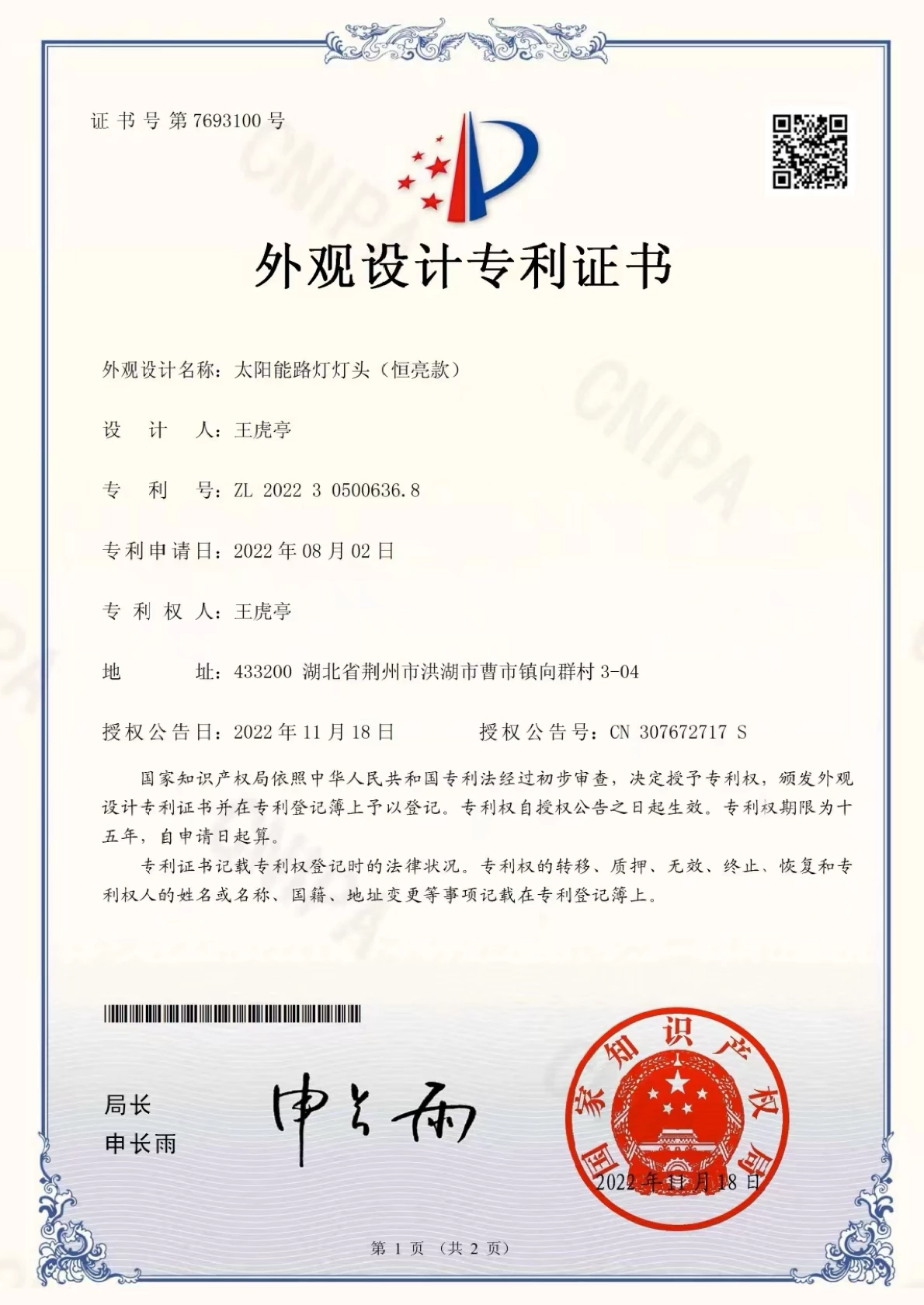
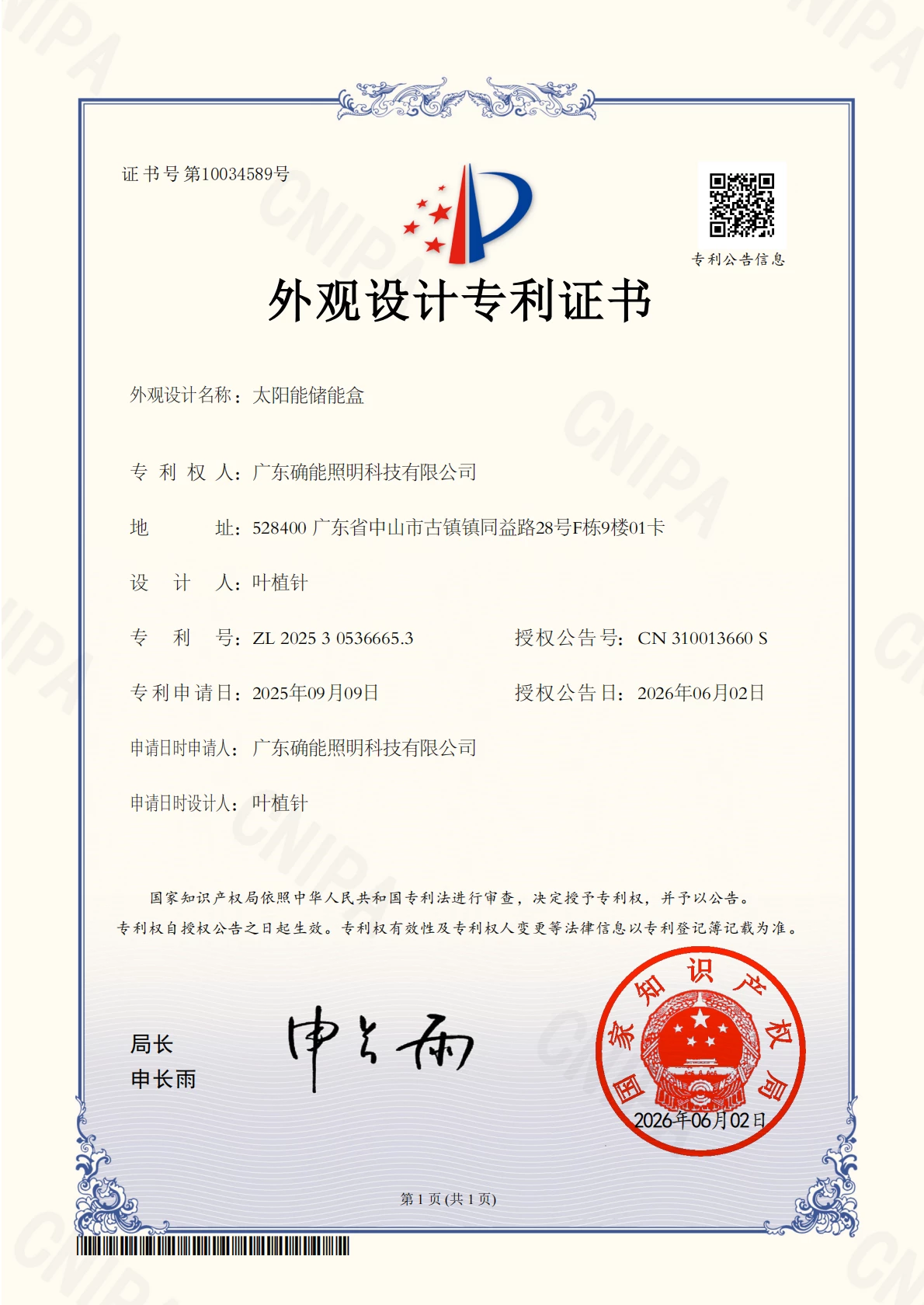
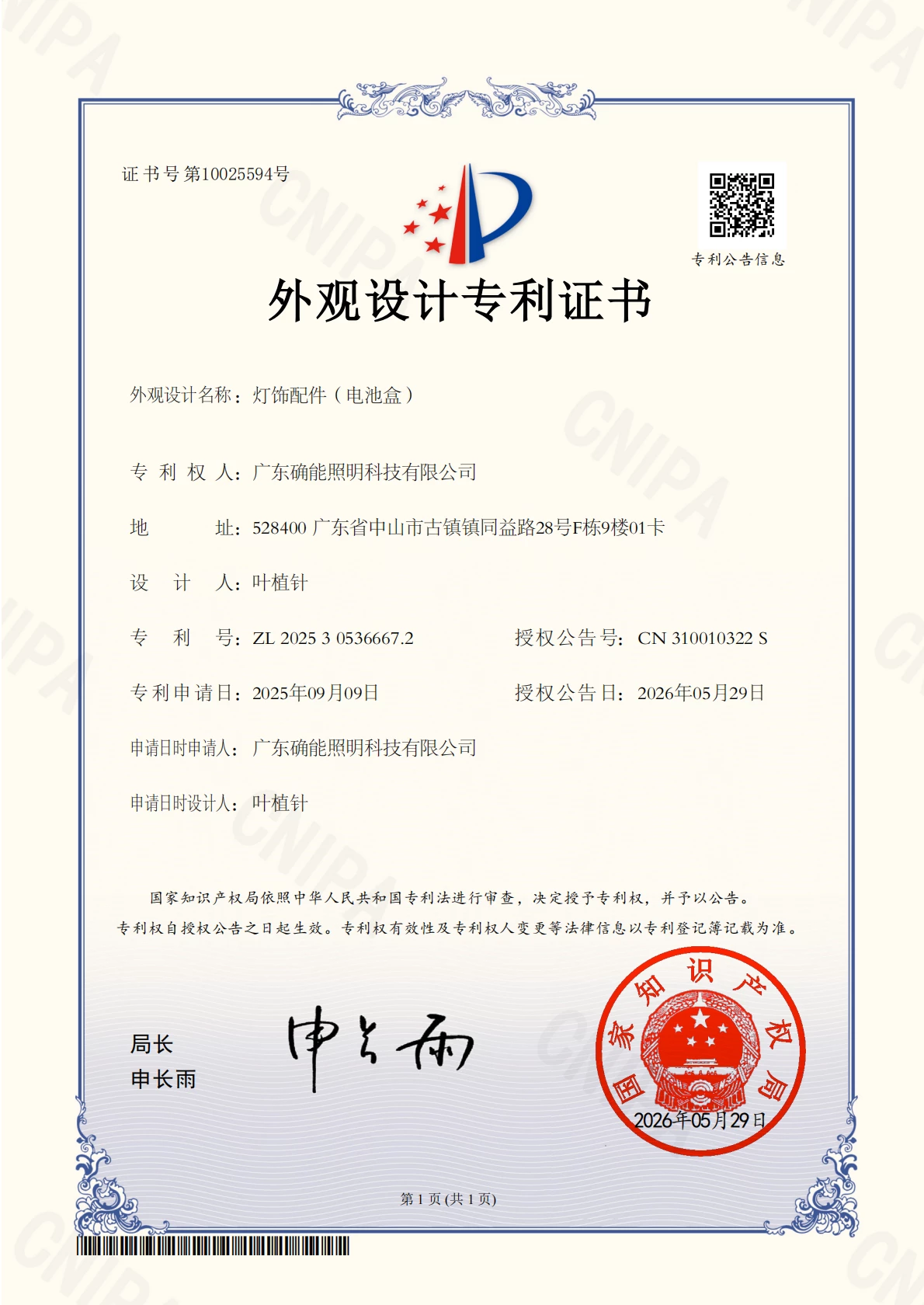
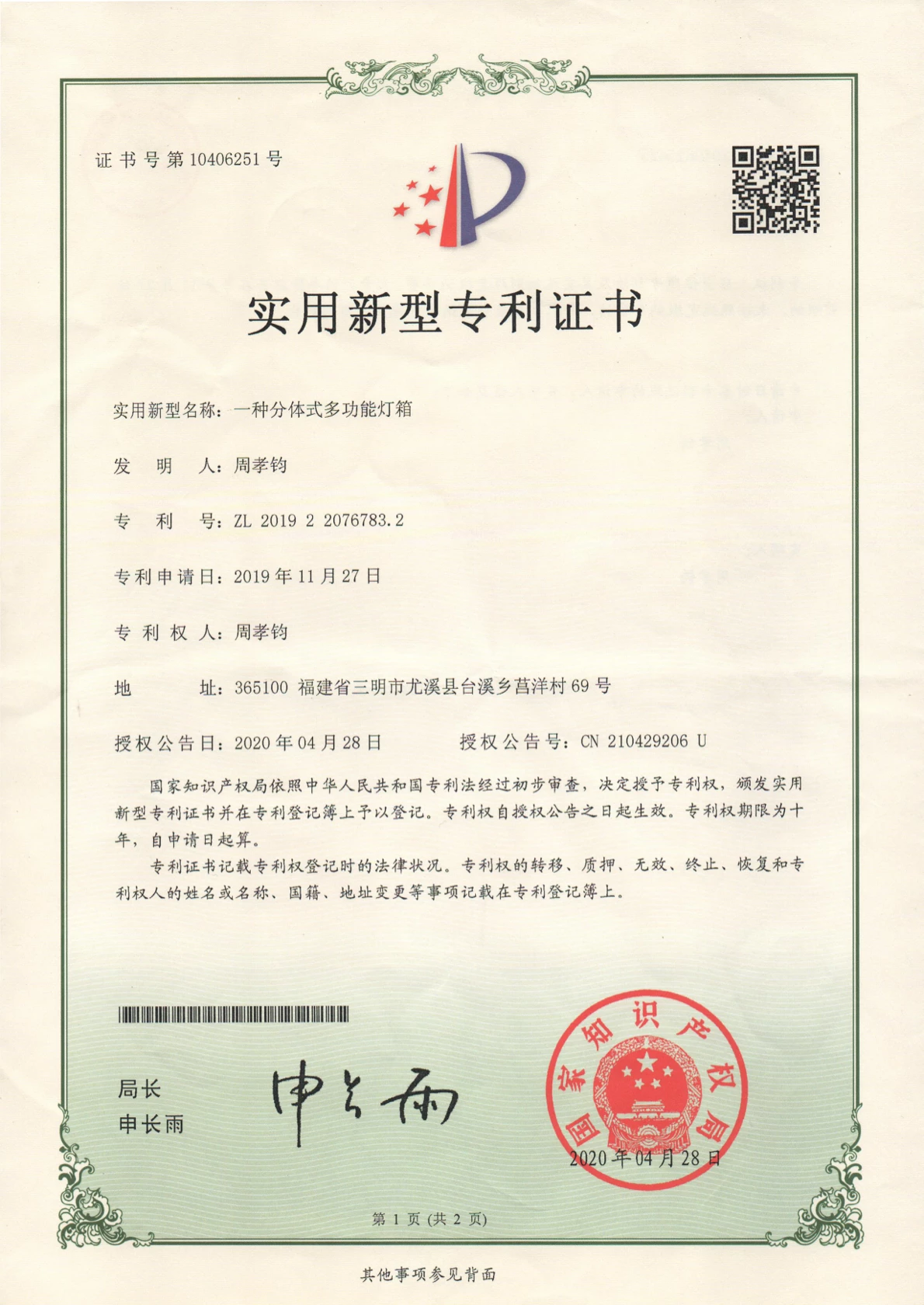
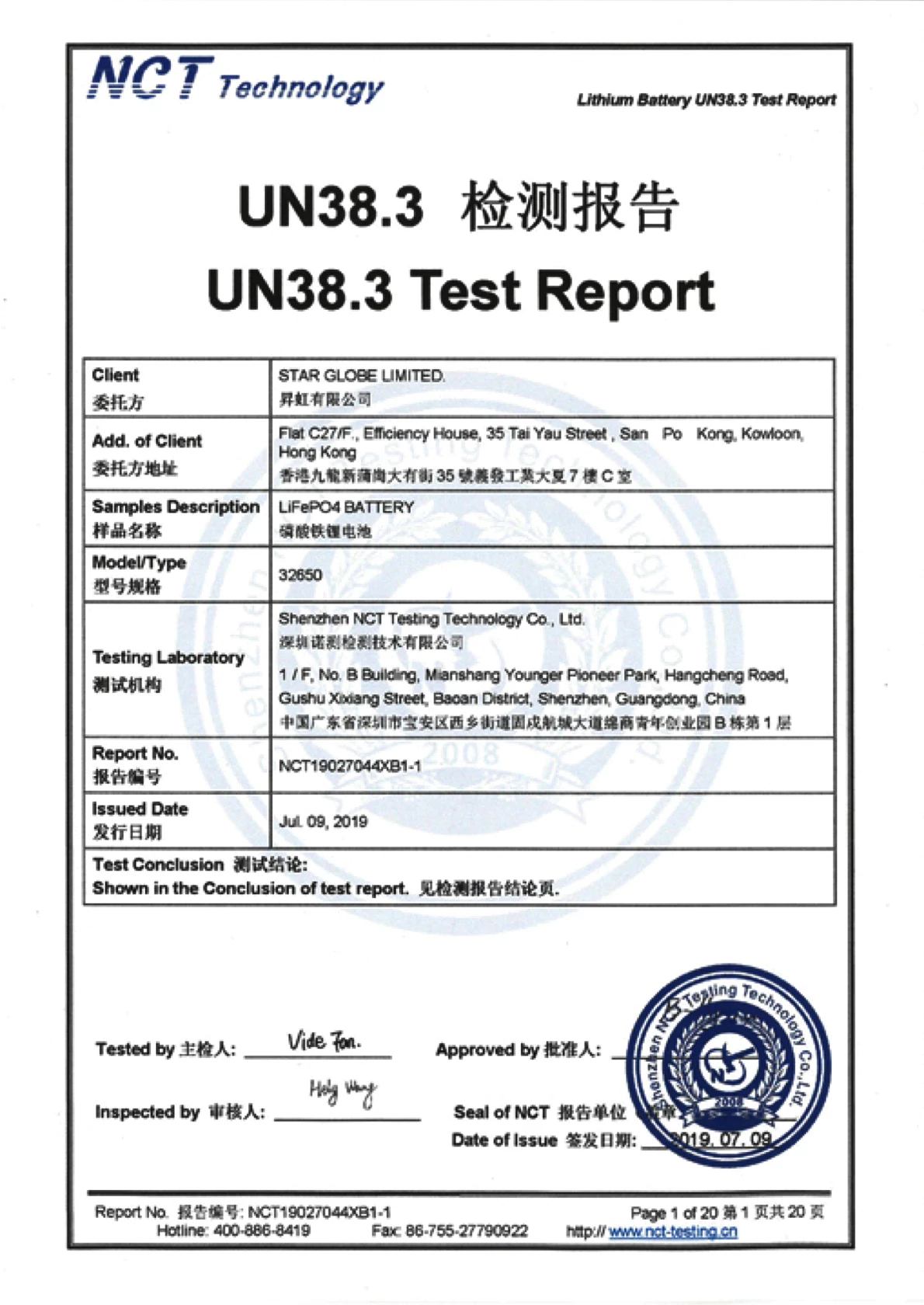
Our certifications demonstrate our commitment to delivering dependable lighting solutions for municipal roads, highways, villages, industrial parks, schools, and commercial projects worldwide.
Whether you are a government buyer, EPC contractor, distributor, or engineering consultant, our certified manufacturing process provides confidence throughout your procurement process.
Trust
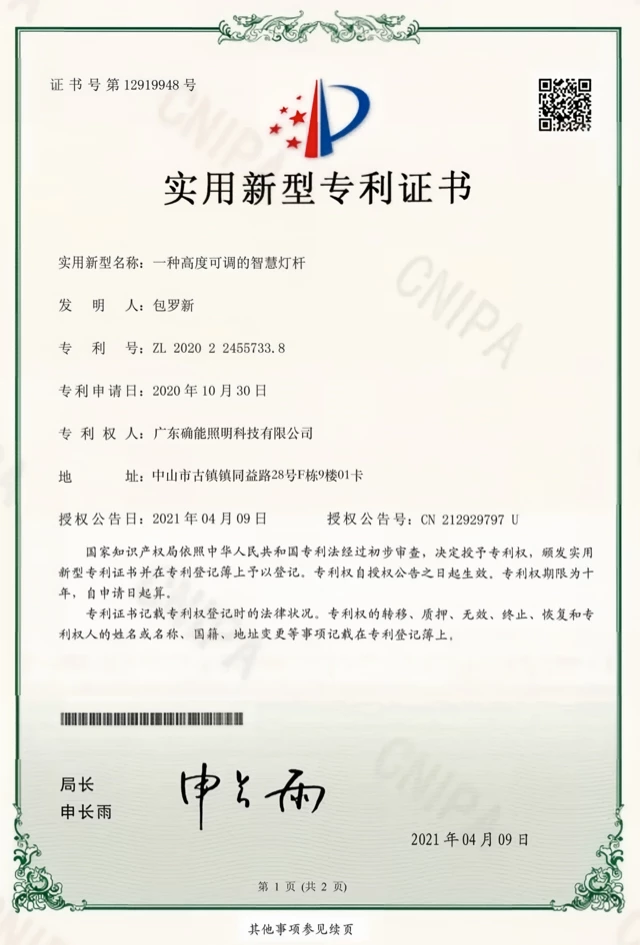
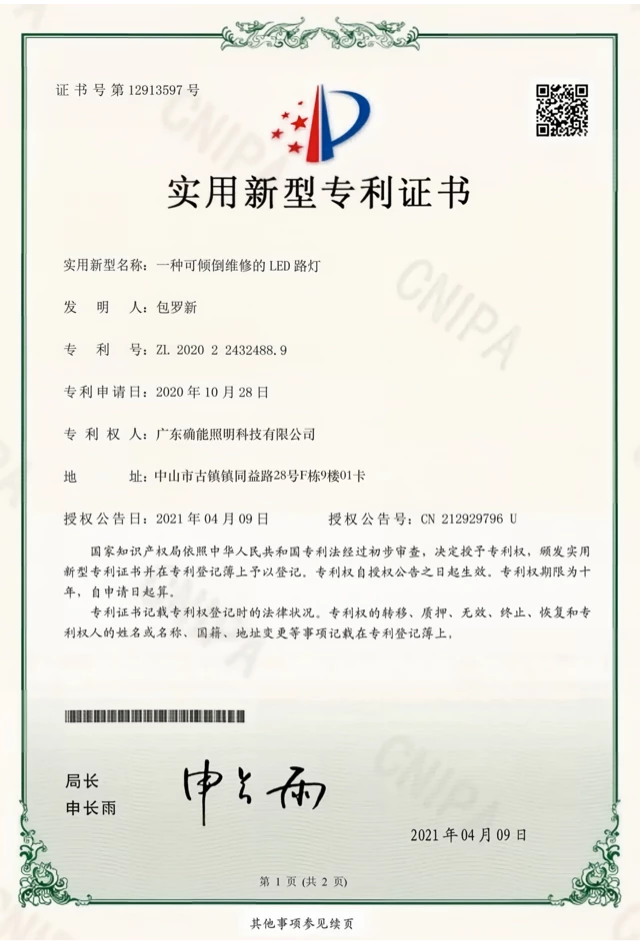
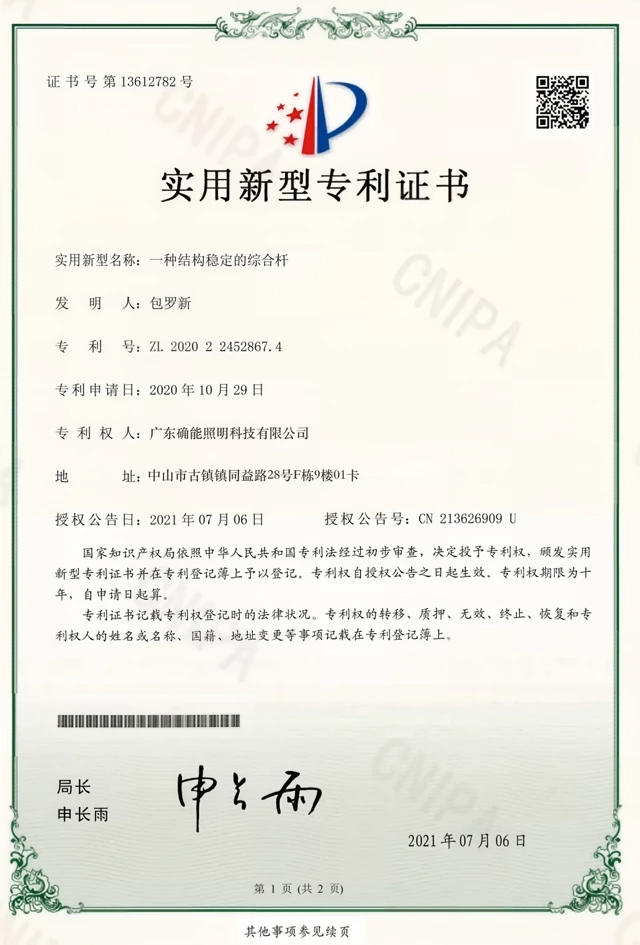
50+ Certifications and Intellectual Property Protections Supporting Global Solar Lighting Projects.
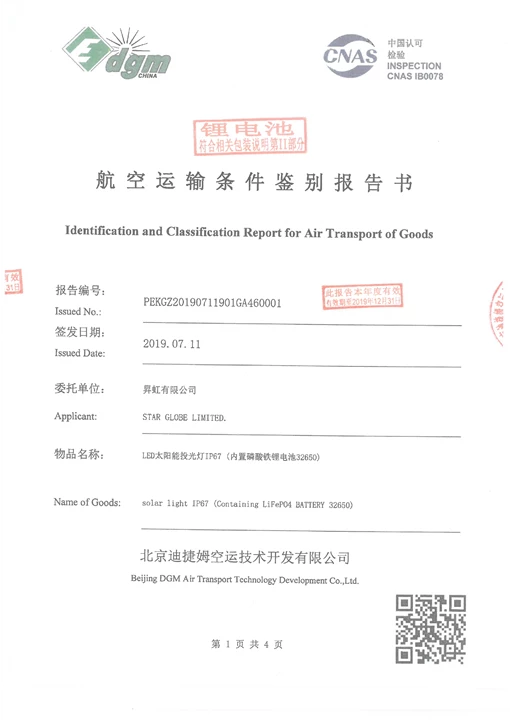
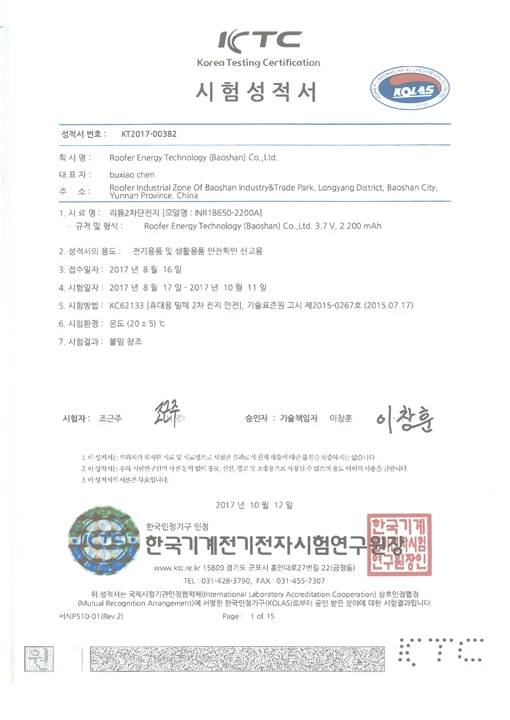
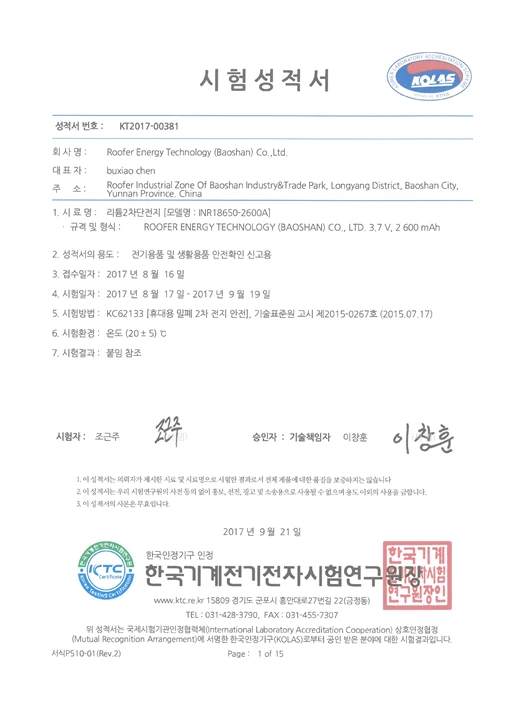
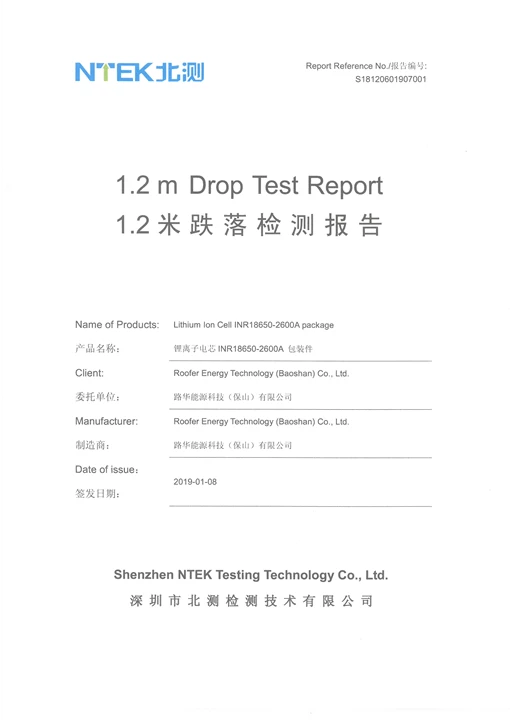
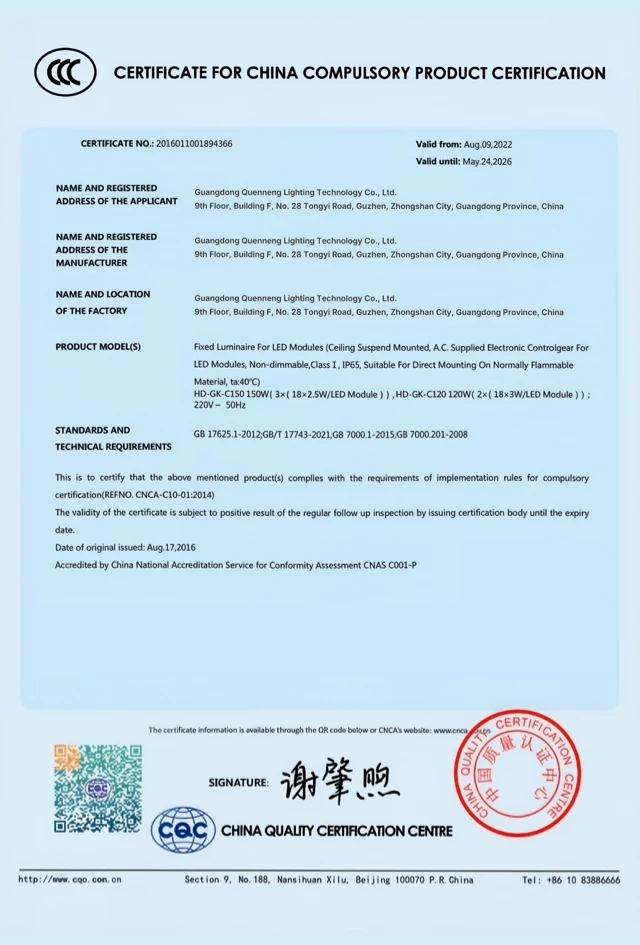
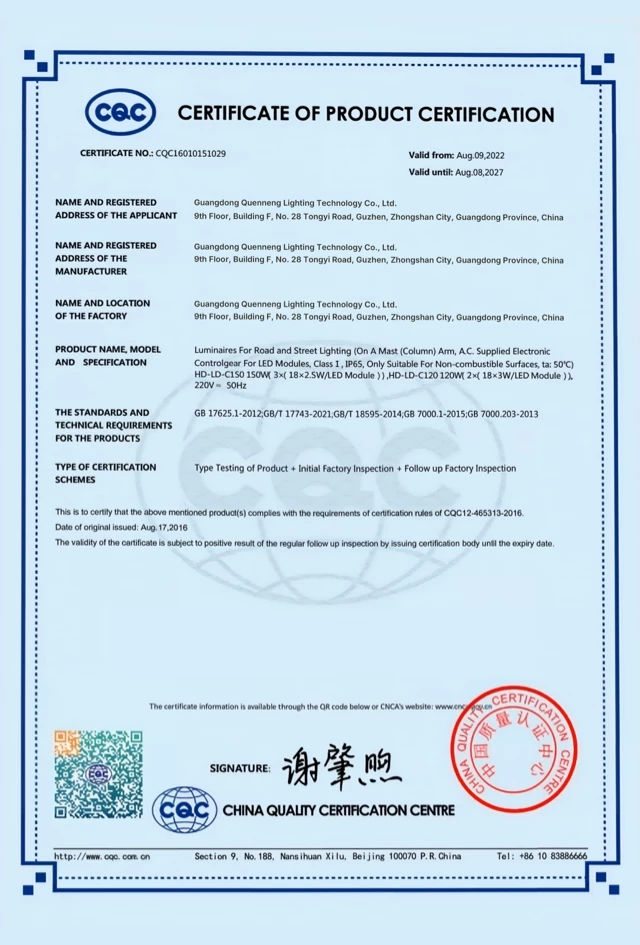
Product Certifications
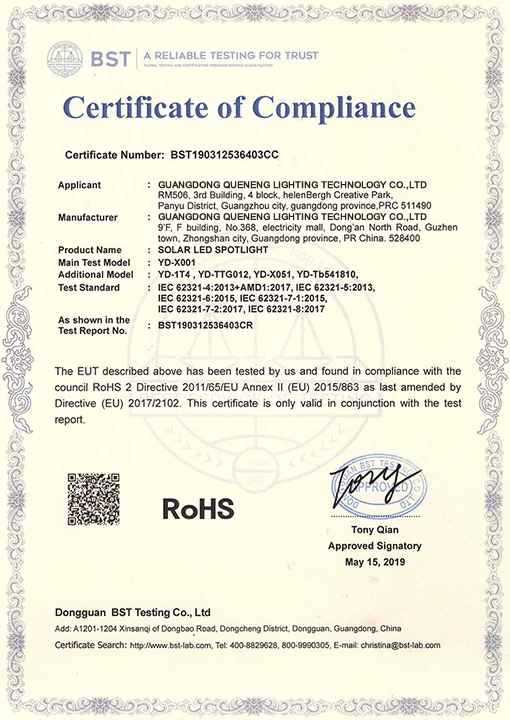
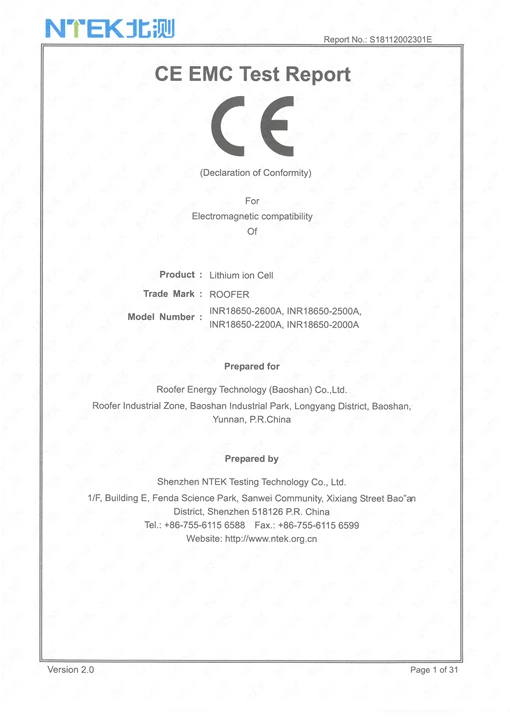
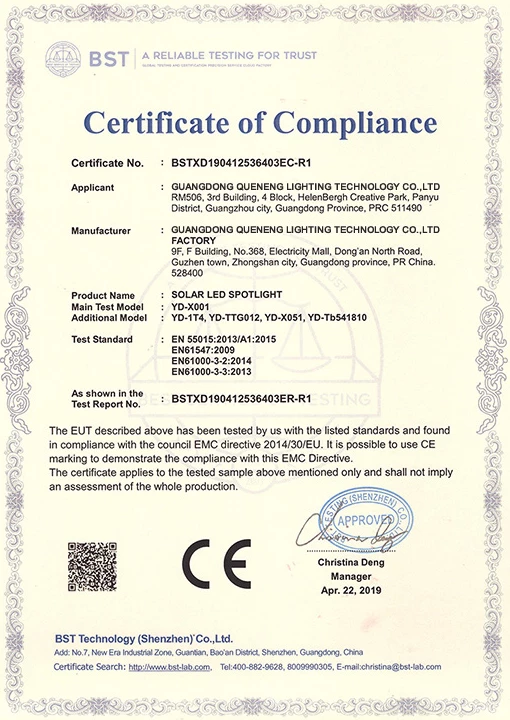
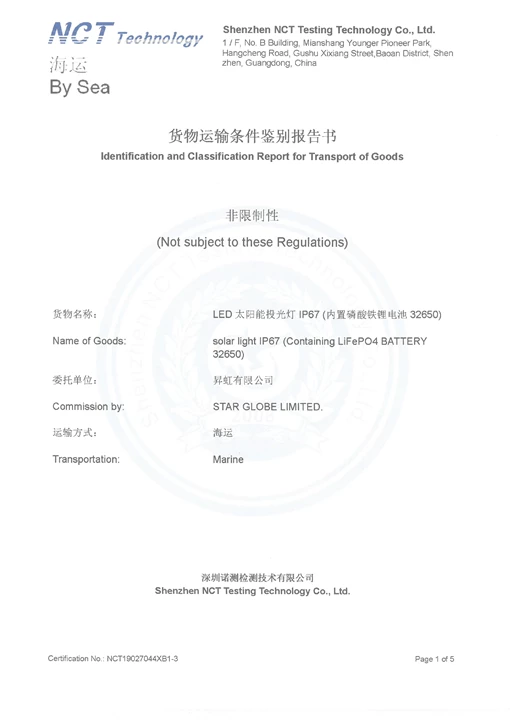
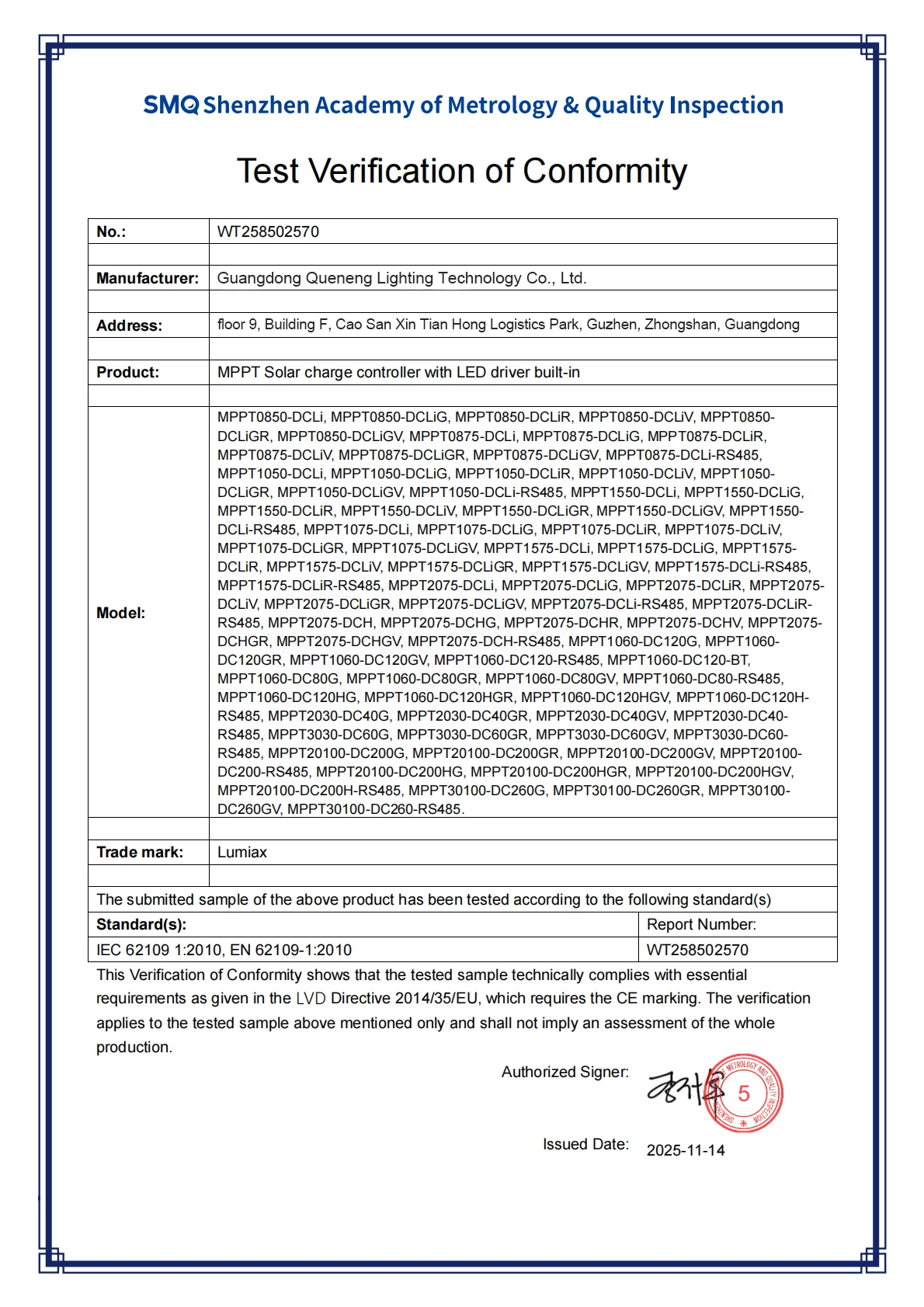
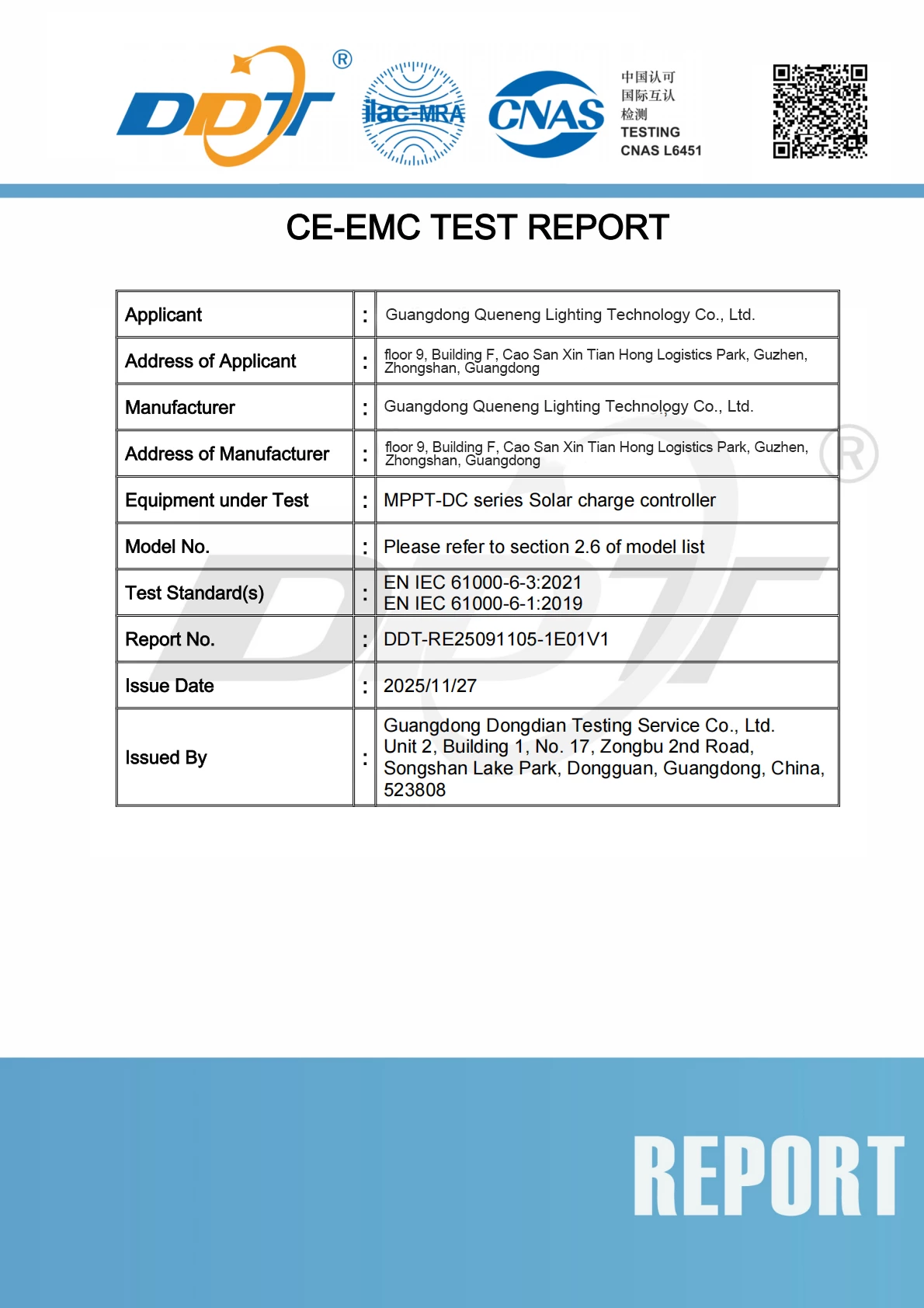
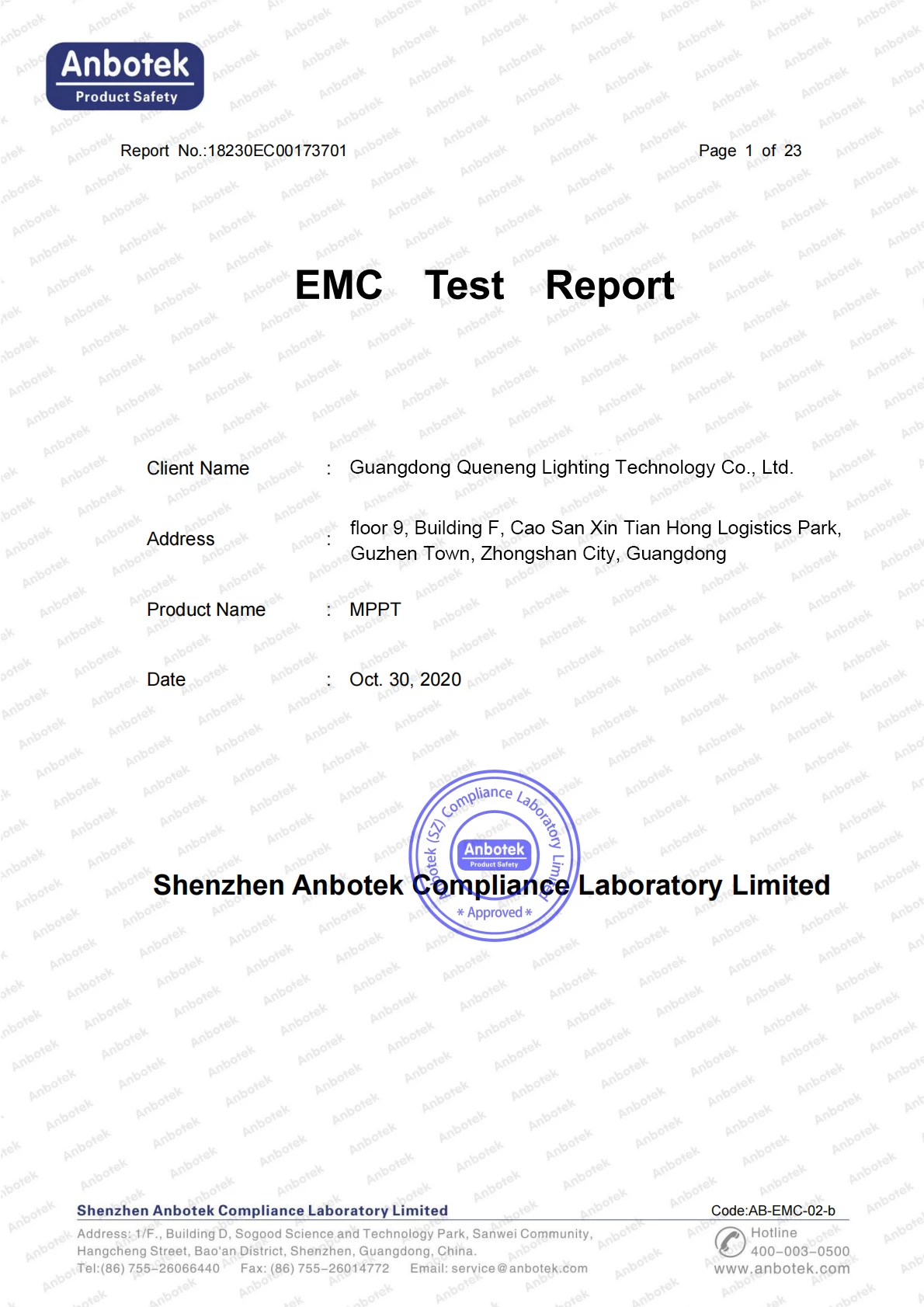
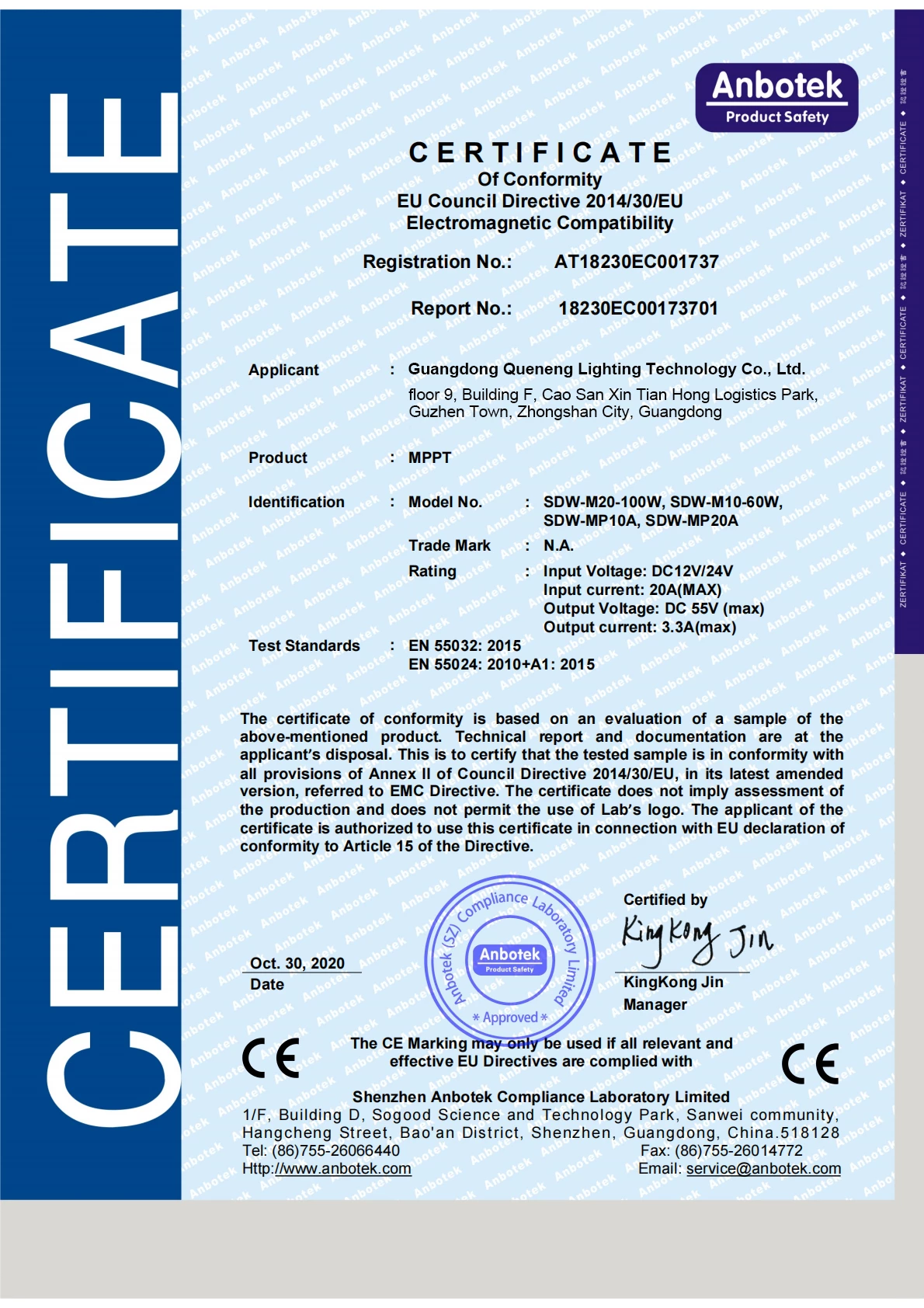
MPPT Controller Certifications
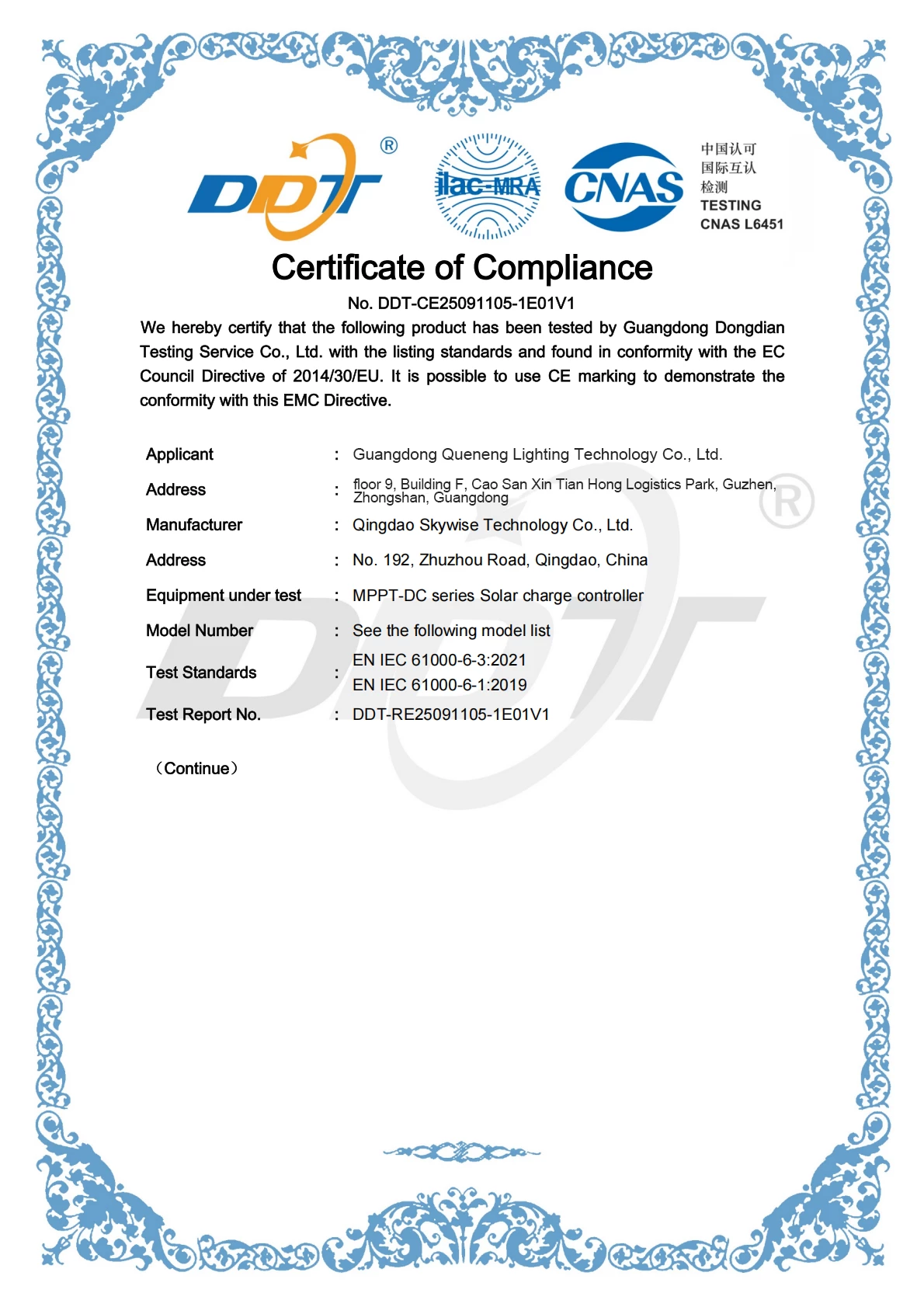
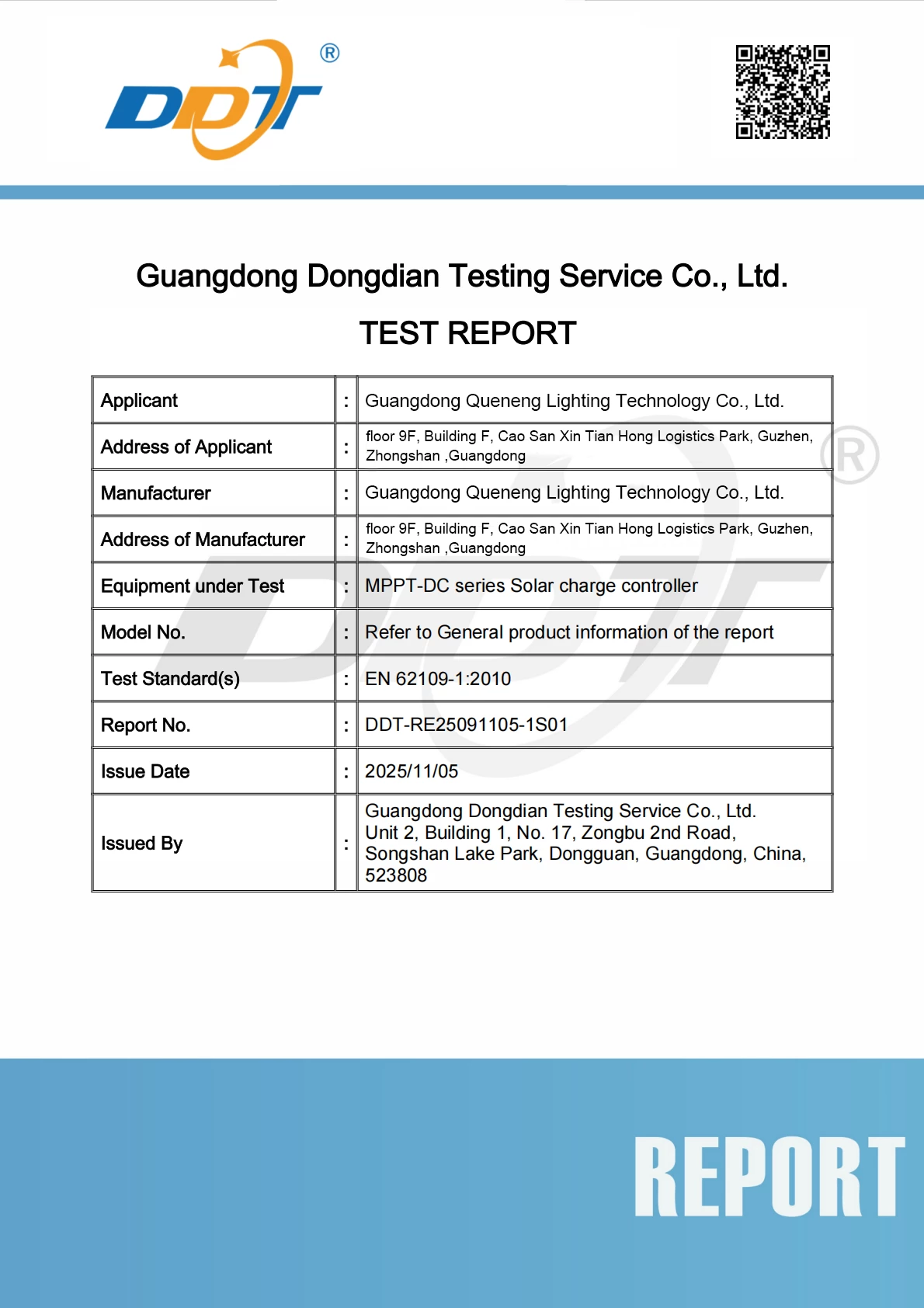
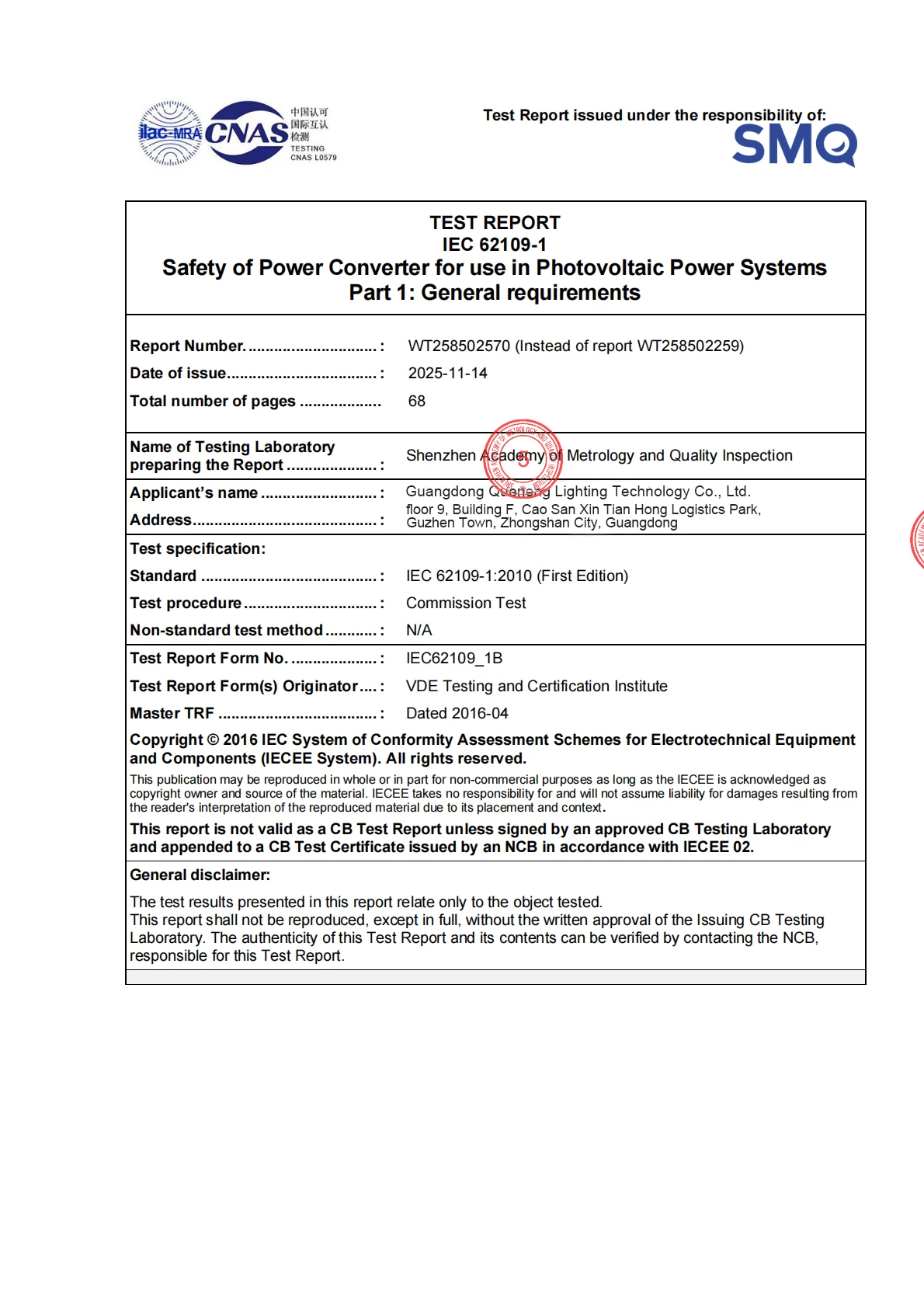
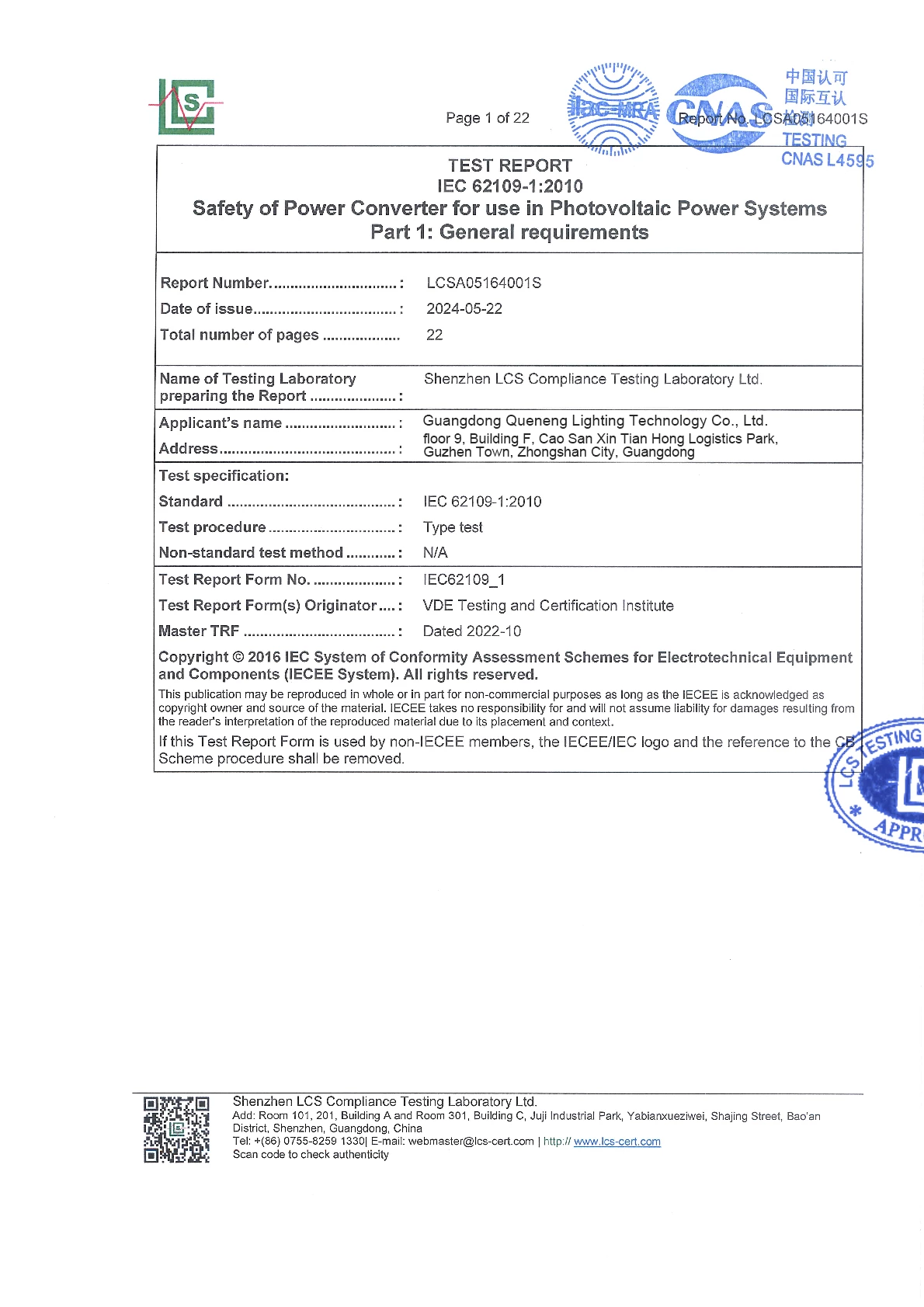
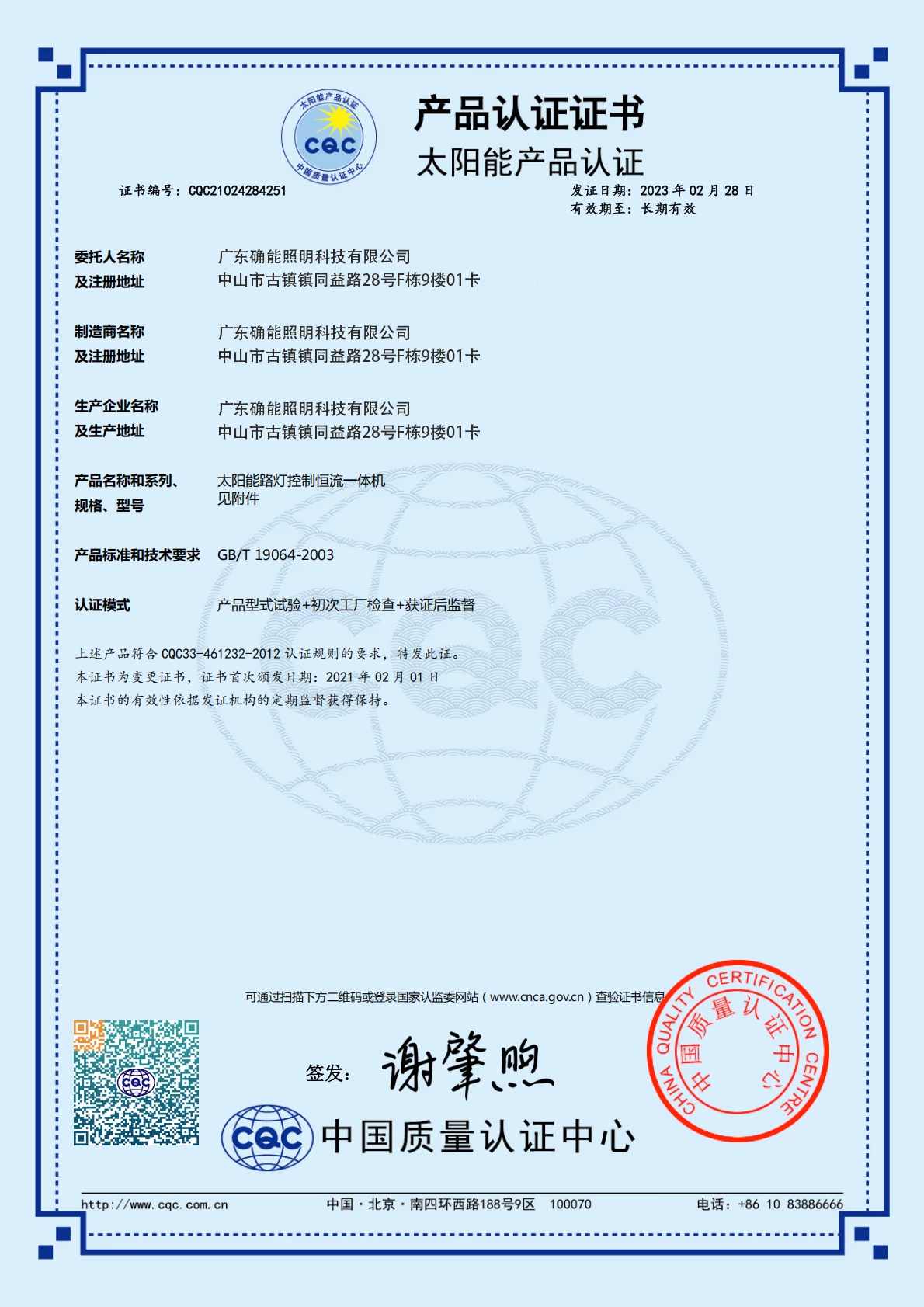
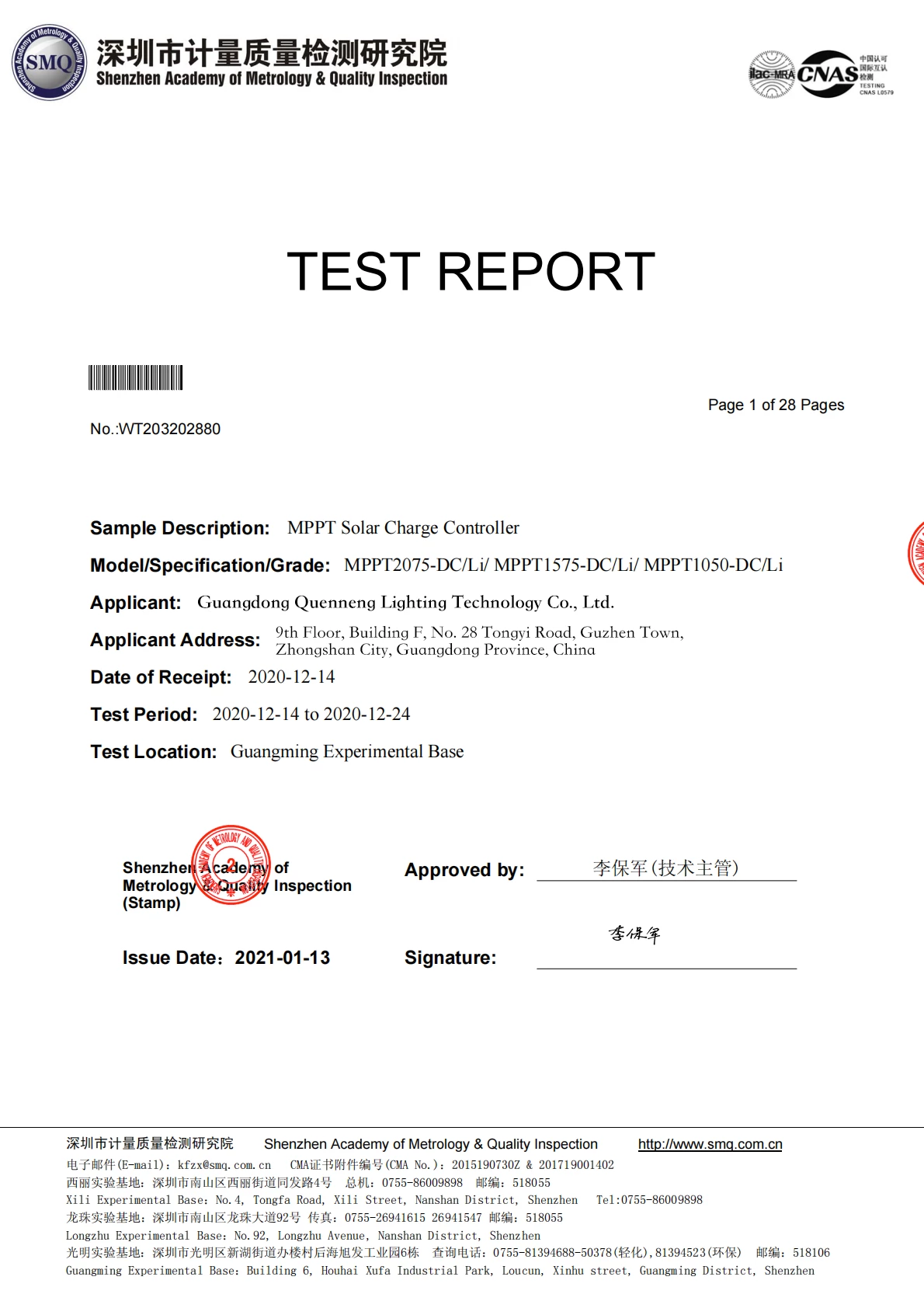
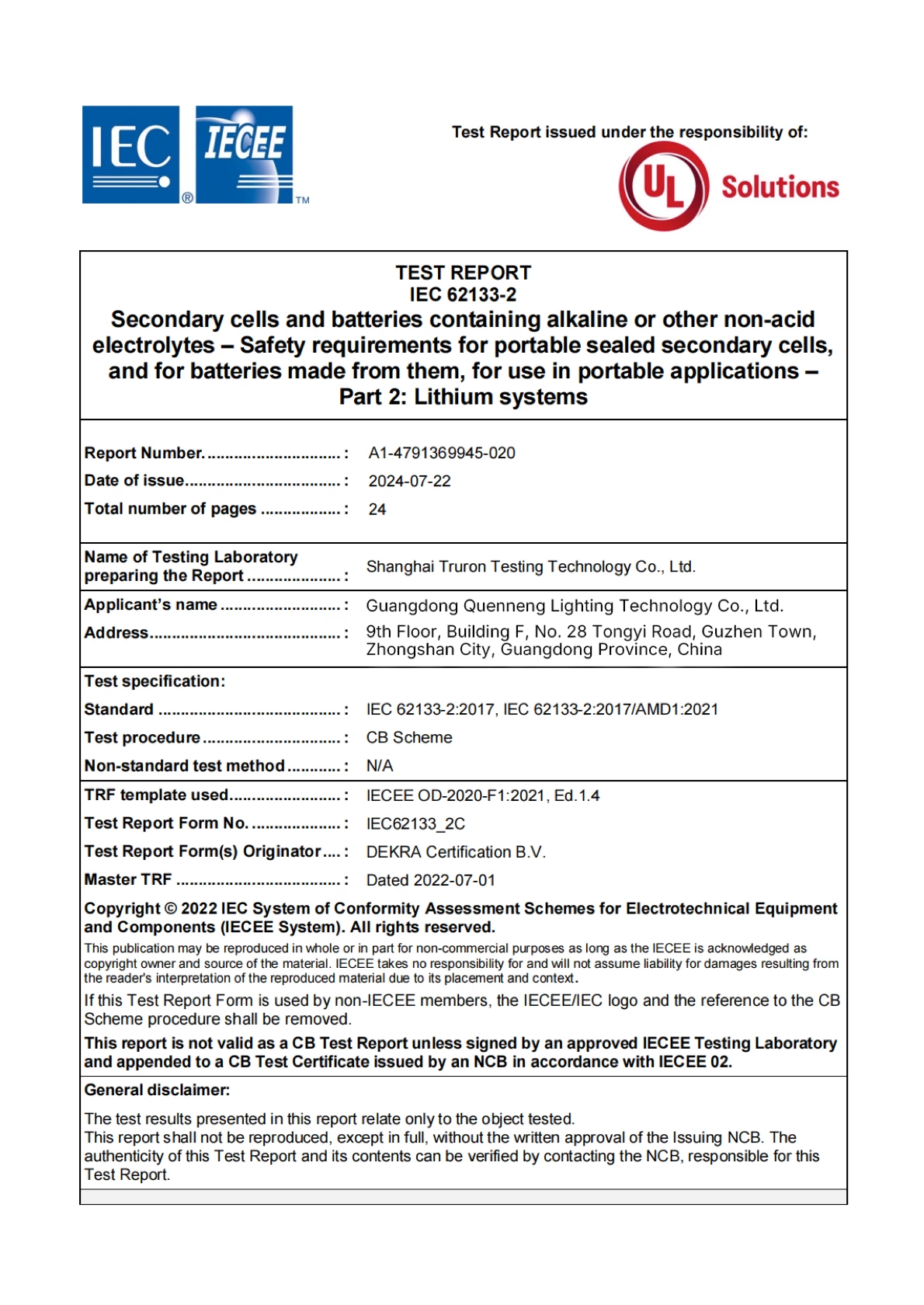
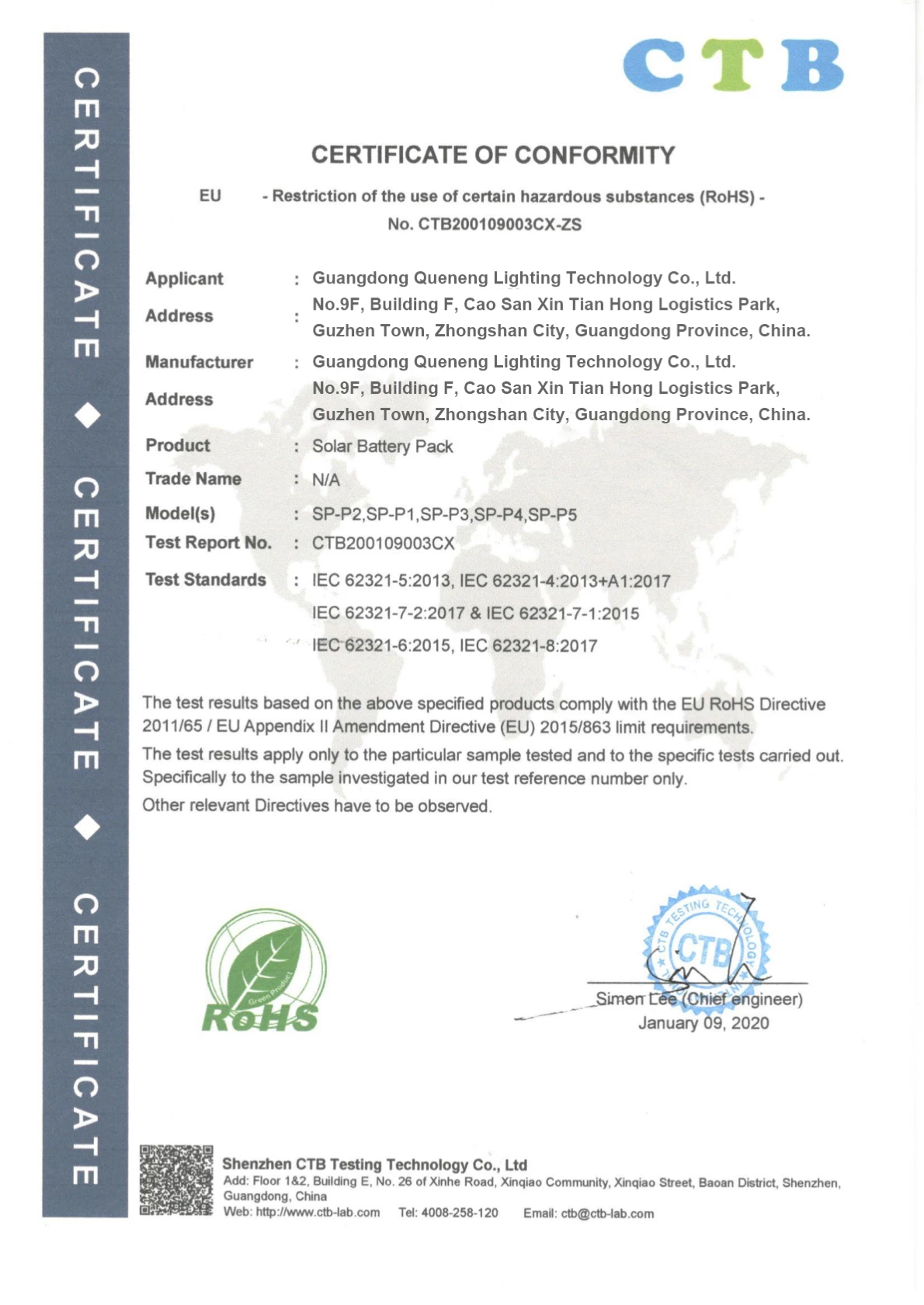
Battery Certification
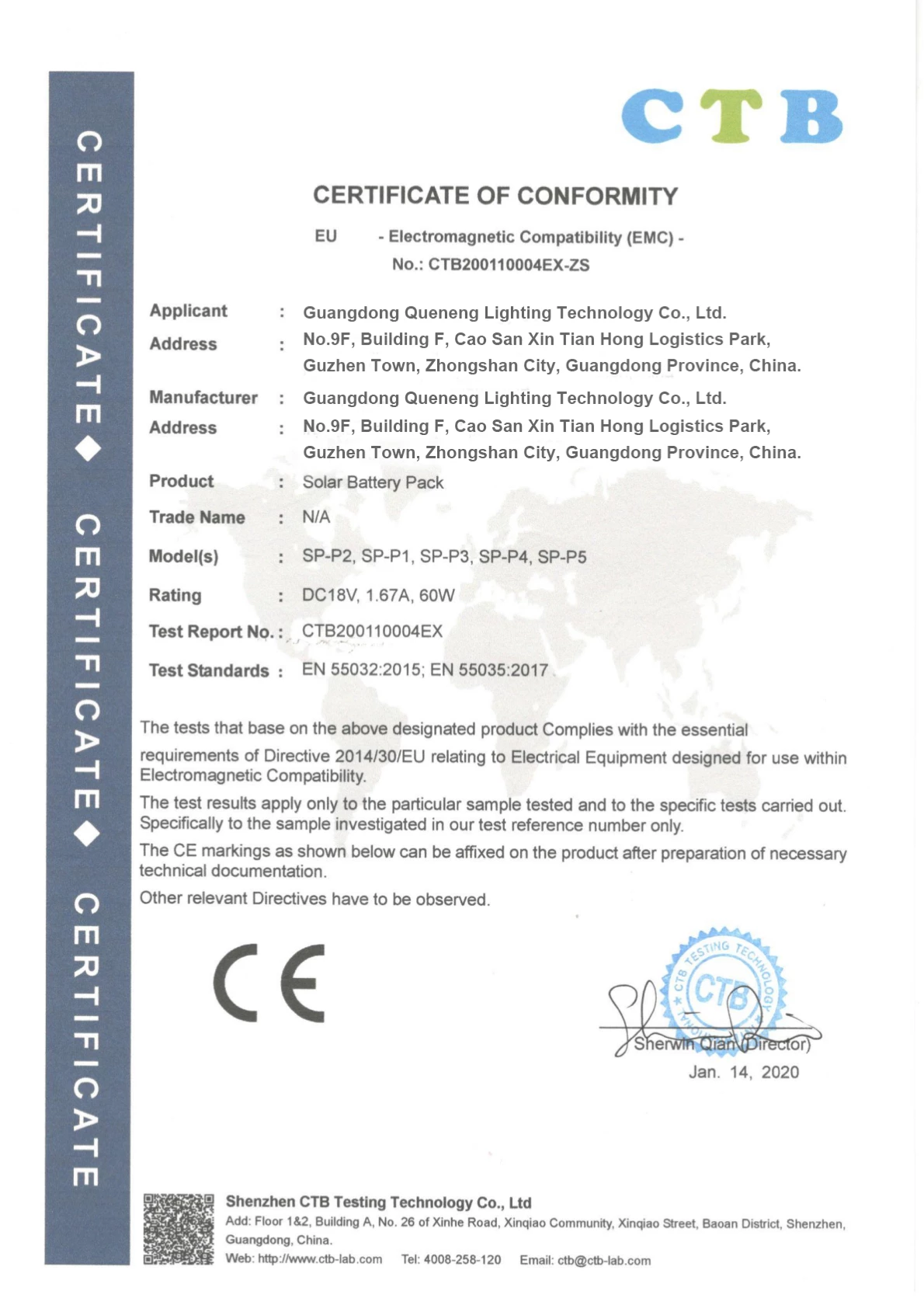
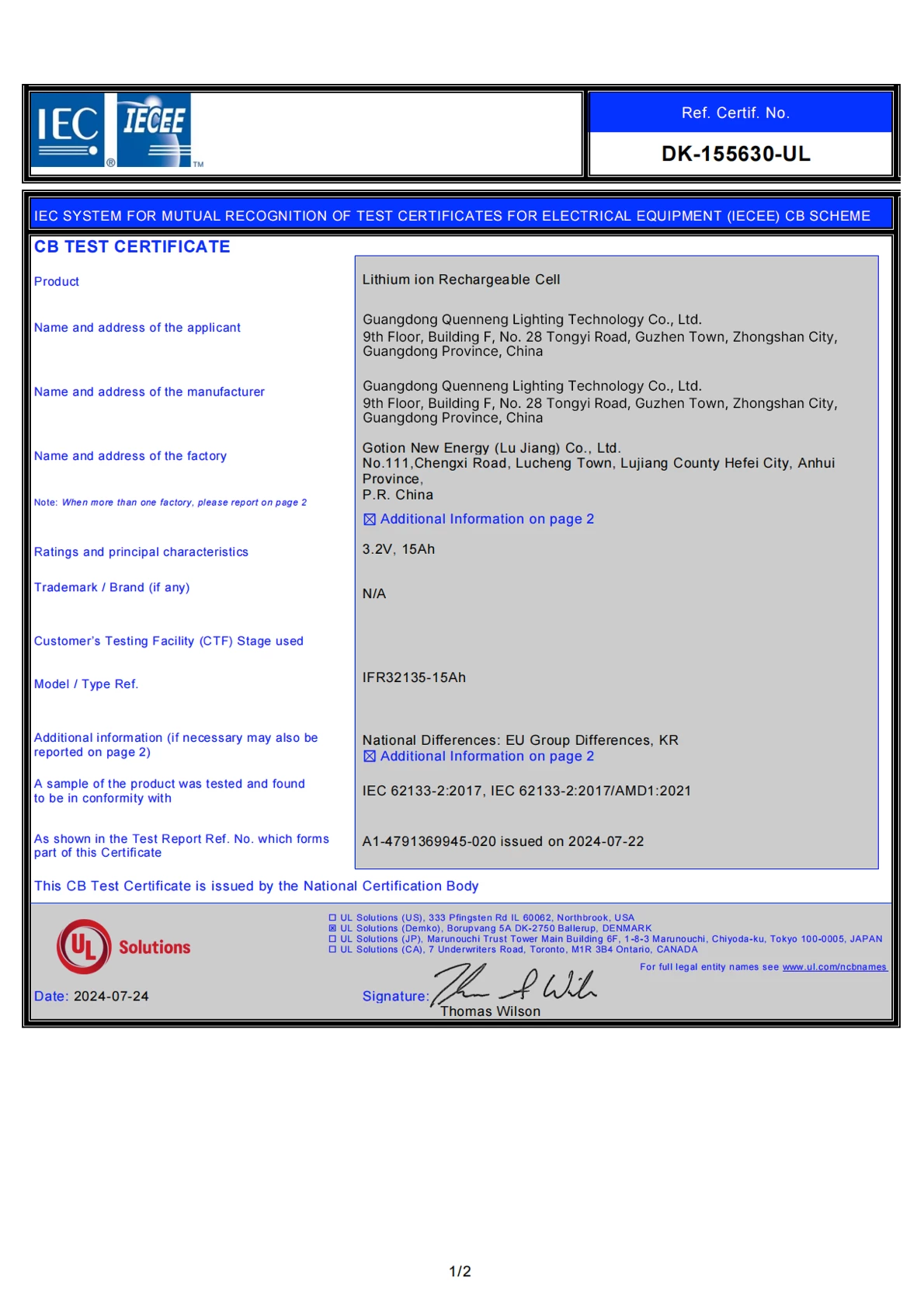
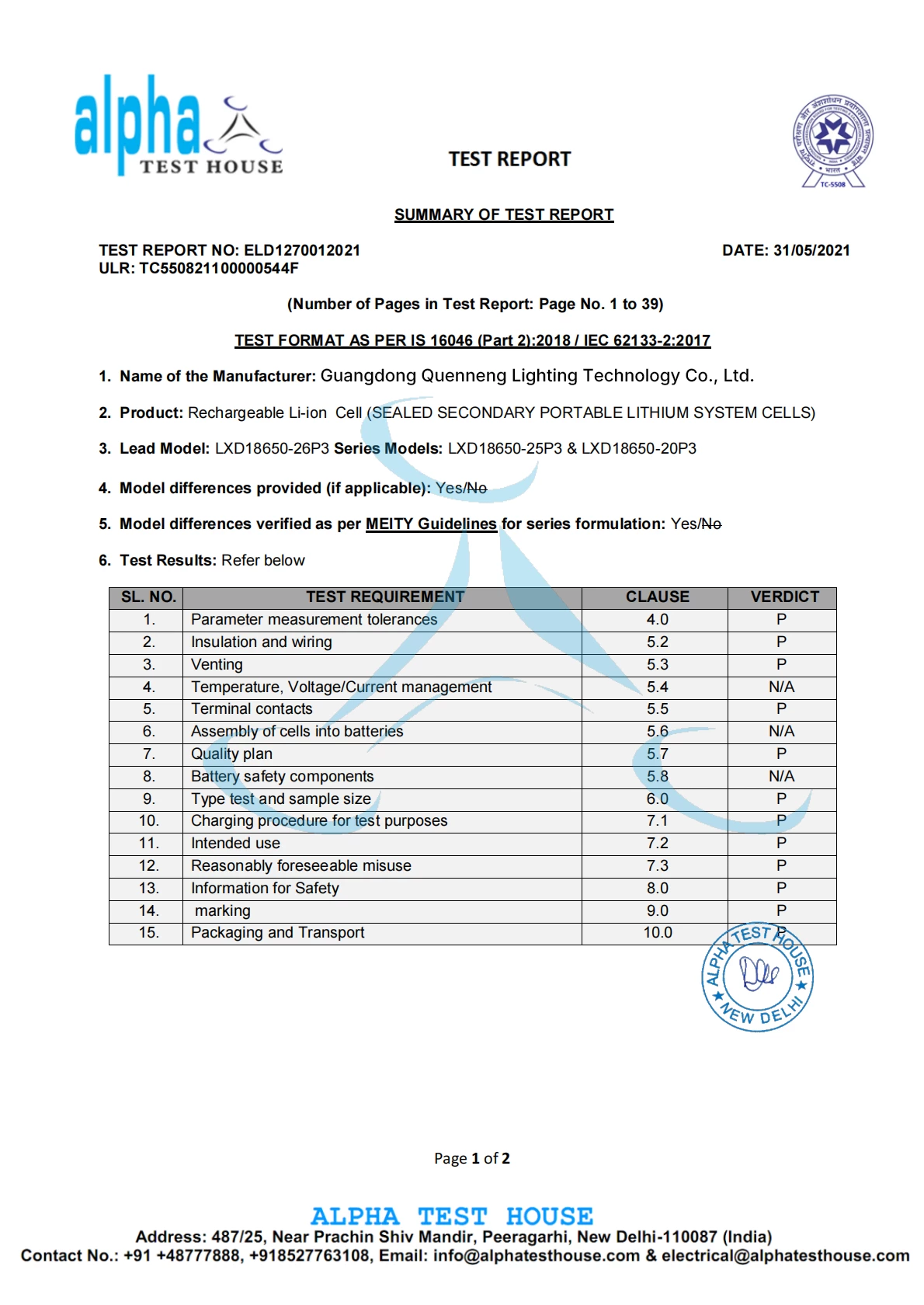
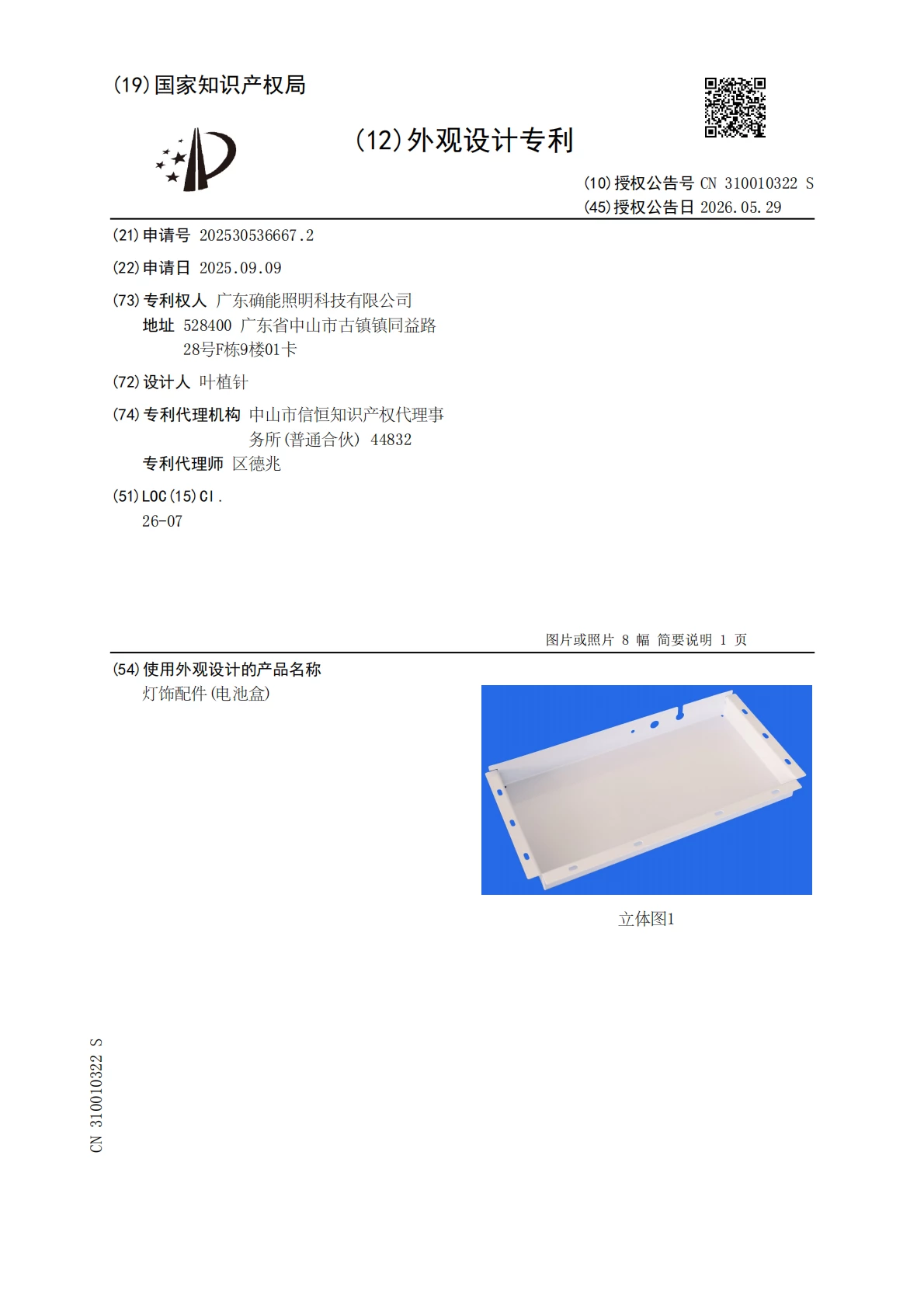
Solar Street Light Poles
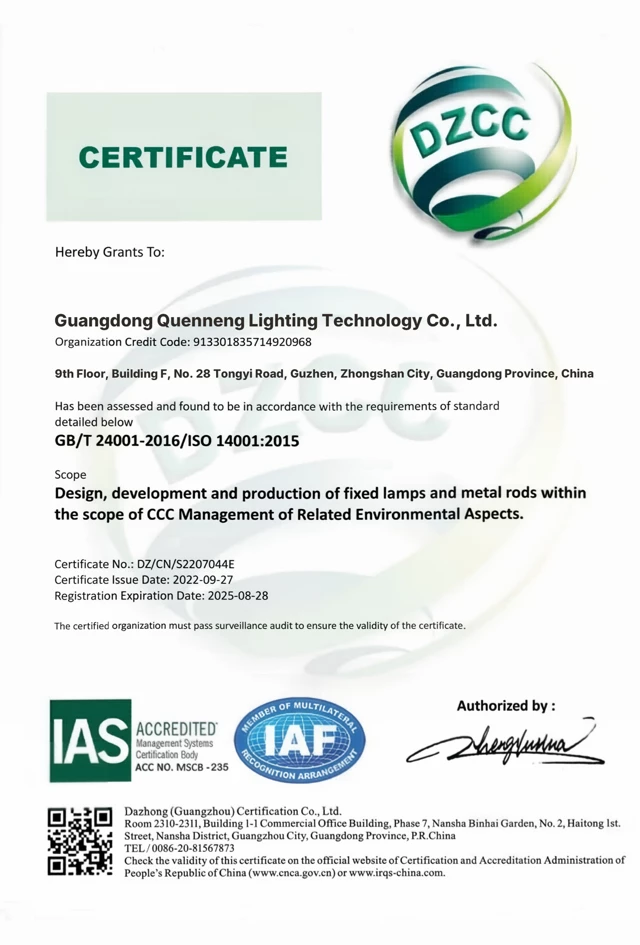
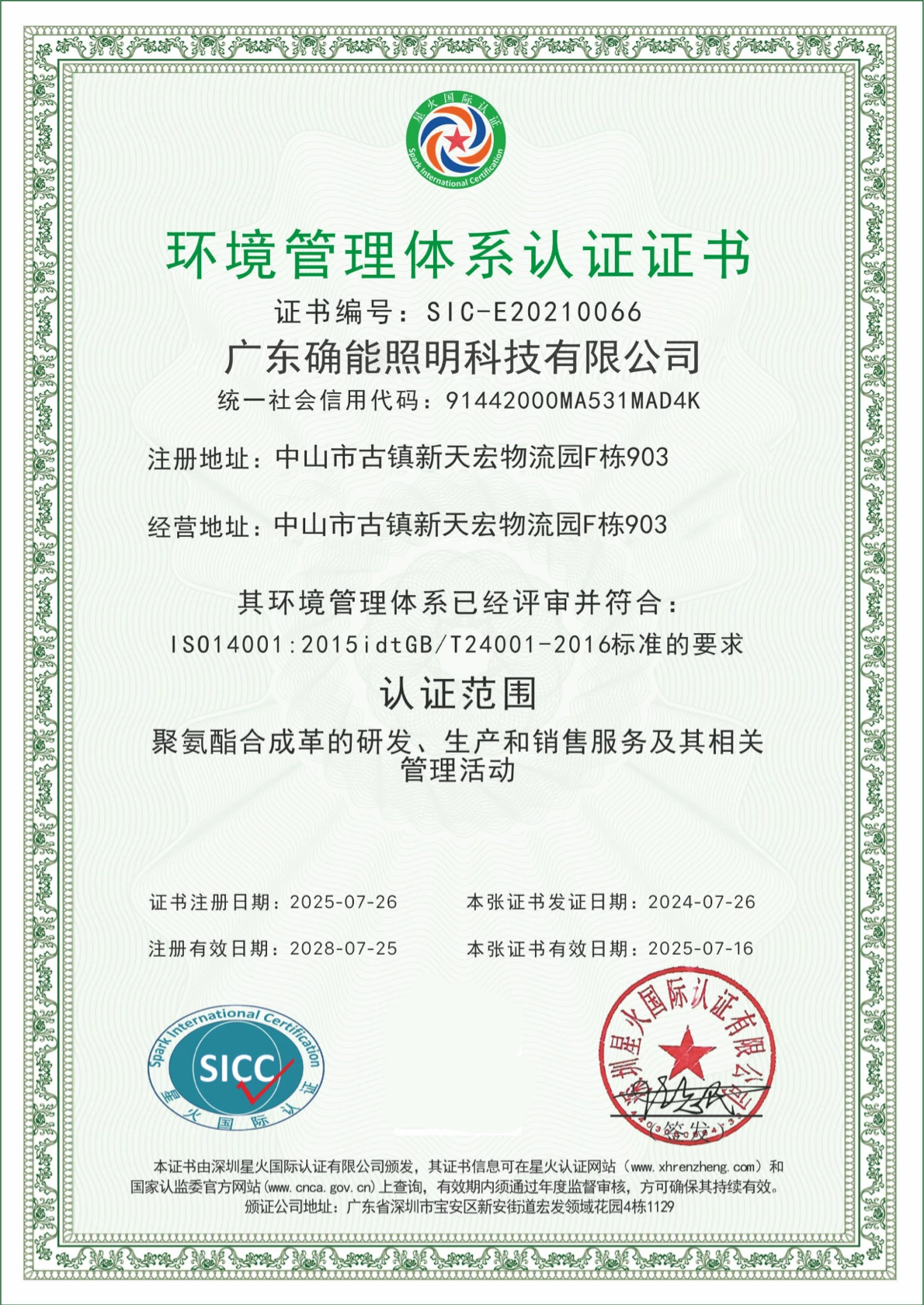
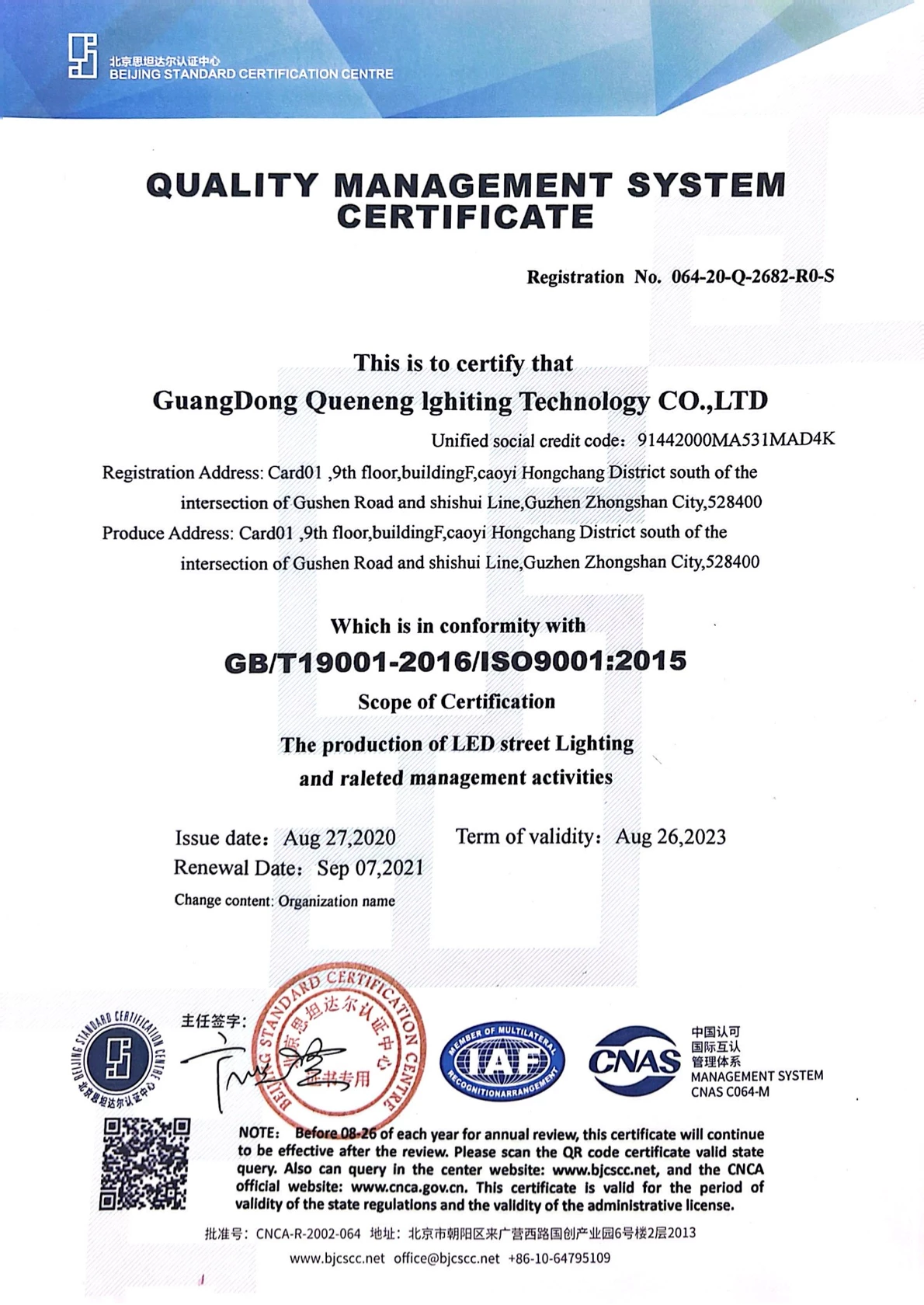
Company Certification

Quality Management Beyond Certifications
Certifications represent only one part of our quality assurance system.
Every solar street light undergoes comprehensive inspection throughout production to ensure consistent performance before shipment.
This multi-stage inspection process helps minimize product defects while ensuring reliable field performance.


Product Testing Capabilities
To ensure reliable operation in demanding outdoor environments, Queneng performs extensive laboratory and production testing.

These tests help verify product stability across different climates, including hot deserts, tropical regions, coastal environments, and rainy seasons.

Certification Support for International Projects

-
Certification requirements vary across countries, industries, and procurement processes. Government tenders, EPC projects, distributors, and importers often require different compliance documents during supplier evaluation and project approval.
Queneng provides applicable certification documents and technical support to help customers prepare for international procurement, product qualification, customs clearance, and project documentation requirements.


Why Certifications Matter

-
International certifications provide more than regulatory compliance. They help customers evaluate manufacturing capabilities, product consistency, quality management, and long-term reliability before selecting a manufacturing partner.
-
For distributors, EPC contractors, municipalities, and infrastructure developers, recognized certifications also simplify procurement, project evaluation, and international business cooperation.
Any questions about certifications?
-
Below are answers to common questions about Queneng's certifications, compliance standards, and supporting documentation.
Certification
Are your solar street lights certified?
Yes. Our manufacturing system and products comply with internationally recognized quality standards. Relevant certification documents can be provided upon request.
Can certifications be used for government tenders?
Yes. Many of our certifications and test reports are prepared specifically to support international government and infrastructure projects.
Can you provide original certification copies?
Yes. Digital copies can be shared during quotation, while original documents can be included with shipments if required.
Do all products have the same certifications?
Certification coverage depends on the product model and project requirements. Our sales engineers will recommend the appropriate documentation for your project.
Can additional testing be arranged?
Yes. Third-party testing and inspection can be arranged according to customer specifications.
How often are certifications updated?
We regularly renew management system certifications and update product testing reports to ensure continued compliance with international standards.
Are your certifications accepted internationally?
Yes. Our management system certifications and product compliance documents are recognized in many international markets. Acceptance may vary depending on local regulations, and our team can help you prepare the appropriate documentation for your destination country.
Are your certifications issued by independent third-party organizations?
Yes. Our certifications and product test reports are issued by accredited third-party certification and testing organizations, ensuring objective verification of product quality and compliance.
Can your products meet government procurement requirements?
Many government and infrastructure projects require certified products. Our team can assist in preparing technical documents, certifications, and compliance files commonly requested during public tenders.
What is the difference between a certification and a test report?
A certification confirms that a product or management system complies with a specific international standard, while a test report records the results of laboratory testing on specific product samples under defined conditions.
Do you support third-party factory inspections?
Yes. Customers are welcome to arrange independent factory inspections before shipment. We also cooperate with internationally recognized inspection companies for quality verification.
Do certifications guarantee product lifetime?
Certifications verify compliance with specific standards but do not directly determine product lifespan. Actual service life depends on system design, installation quality, environmental conditions, and regular maintenance.
Are certified products suitable for harsh environments?
Yes. Our certified solar street lighting solutions are designed for demanding outdoor applications, including high-temperature regions, coastal areas, heavy rainfall zones, and remote locations. Product selection should always match the specific environmental conditions of your project.
Do certifications apply to customized products?
Customized products can generally be manufactured under the same quality management system. However, product-specific certifications or additional testing may be required depending on design changes and customer specifications.
Engineering Guides for Solar Street Lighting Projects
Explore engineering guides, installation recommendations, project planning resources, battery configuration advice, and solar roadway lighting best practices for infrastructure projects across Africa.

Choosing the right solar street light system is essential for achieving reliable outdoor lighting performance, long battery lifespan, and stable nighttime illumination.
Whether the project is for municipal roads, highways, industrial parks, villages, commercial spaces, or public infrastructure, selecting the proper solar street lighting configuration directly affects energy efficiency, installation costs, maintenance requirements, and long-term operational stability.
This guide explains the key factors that should be considered when choosing a solar street lighting system for different outdoor applications and environmental conditions.

For many years, solar street lighting was often viewed as a niche solution mainly used in remote villages or small off-grid applications.
That perception has changed rapidly.
Today, solar street lighting systems are being deployed across municipal roads, highways, industrial parks, residential communities, mining areas, and large-scale infrastructure projects worldwide.
The reason is no longer only environmental sustainability.
It is economics.
As electricity prices continue rising and infrastructure construction becomes more expensive, governments, contractors, and developers are paying closer attention to long-term operational costs instead of simply comparing upfront equipment pricing.
And this is where solar street lighting starts becoming financially attractive.
At first glance, many buyers still assume solar street lights are expensive.
After all, a complete system includes:
- • solar panels
- • lithium batteries
- • LED fixtures
- • intelligent controllers
- • structural mounting systems
Compared to a conventional street lamp fixture alone, the initial quotation may appear significantly higher.
But experienced infrastructure planners rarely evaluate a project based only on fixture cost.
Because in real-world roadway projects, the lighting fixture is often only a small part of the total investment.

The solar charge controller is one of the most critical components in a solar street lighting system. It directly affects charging efficiency, battery lifespan, and system reliability.
Two commonly used technologies are MPPT (Maximum Power Point Tracking) and PWM (Pulse Width Modulation) controllers.
This article explains their differences and helps you choose the right solution for solar street lighting projects.
Need Certification Documents for Your Project?
Different countries and projects may require different certification and compliance documents.
Share your project location, and our engineering team will help you prepare the appropriate documentation for customs clearance, tender submission, or project approval.
The messenger of light & power conversion.
© 2026 Queneng Light
 Jason Qiu
Queneng
Queneng
Queneng
Queneng