
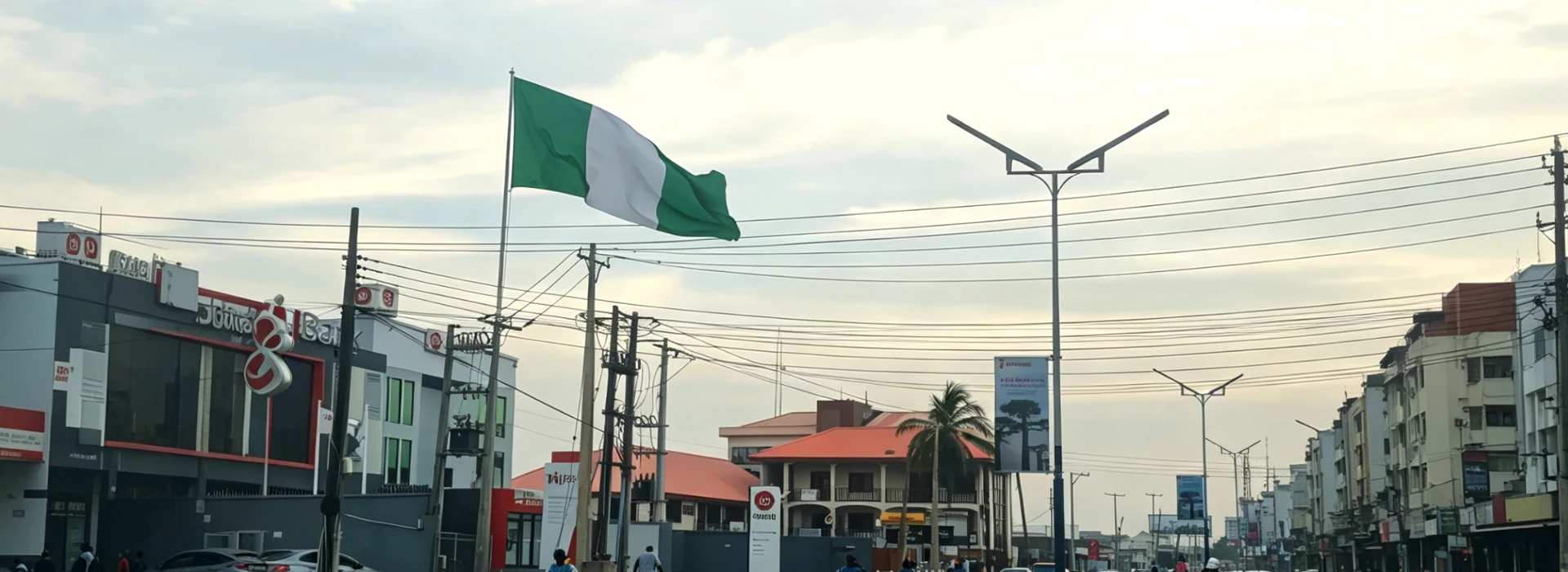
Solar Street Lighting Solutions for Nigeria
Reliable Solar Lighting Systems for Roads, Communities, Municipal Projects, and Infrastructure Development in Nigeria
Nigeria is one of Africa's most important infrastructure markets, with increasing demand for reliable outdoor lighting across highways, municipal roads, residential communities, commercial developments, and public facilities.
Queneng provides engineered solar street lighting solutions for Nigerian distributors, EPC contractors, municipalities, and project developers, combining manufacturing capability, technical support, and international project experience.
From project planning and product selection to production and delivery, Queneng helps partners develop reliable solar lighting systems adapted to Nigeria's environmental and infrastructure requirements.
Why Solar Street Lights Are Growing in Nigeria

-
Nigeria's rapid urban development, expanding road networks, and increasing demand for reliable public infrastructure are creating new opportunities for solar street lighting.
-
Many projects require lighting solutions that can operate independently, reduce dependence on conventional electricity infrastructure, and provide reliable illumination in areas where grid extension may be challenging.
-
Solar street lighting is becoming an important choice for municipalities, contractors, and private developers looking for sustainable and cost-effective outdoor lighting solutions.
Infrastructure Expansion
Energy Reliability Challenges
Sustainable Development
Nigeria infrastructure market overview for solar street lighting projects
Nigeria is the largest economy in Africa and one of the continent's fastest-growing infrastructure markets. Rapid urbanization, increasing investment in transportation networks, and the continuous development of public facilities have created significant opportunities for solar street lighting across both urban and rural environments.
Understanding the local market helps distributors, contractors, and project owners make more informed decisions when planning infrastructure lighting projects.
Market Snapshot
| Market Position | One of Africa's largest infrastructure markets |
| Urban Development | Rapid expansion of cities and public facilities |
| Power Infrastructure | Grid reliability varies across different regions |
| Renewable Energy | Increasing adoption of sustainable lighting solutions |
| Typical Projects | Municipal Roads · Highways · Communities · Industrial Parks |
| Primary Buyers | Government · EPC Contractors · Distributors · Developers |
Challenges Affecting Outdoor Lighting Projects in Nigeria

-
Infrastructure development in Nigeria is influenced by urban growth, transportation expansion, increasing energy demand, and ongoing investment in public services. These factors continue to create favorable conditions for solar street lighting, particularly in projects where reliable, cost-effective, and independent outdoor lighting is required.
-
Rather than relying on a single solution, successful projects often depend on understanding local environments, application requirements, and long-term operational needs.


Where Solar Street Lights Are Making an Impact in Nigeria
-
Solar street lighting is being adopted across different sectors in Nigeria, from urban transportation and residential development to rural communities and commercial infrastructure.
-
Different application environments have different priorities. Municipal projects may focus on public safety and road visibility, while commercial and industrial projects often require dependable lighting performance with reduced operating costs.
-
Understanding where solar lighting is commonly applied helps project owners identify suitable opportunities and plan future infrastructure development.

Municipal Roads & Urban Streets

Highways & Transportation Corridors

Residential Communities & Estates

Industrial Parks & Commercial Facilities

Rural Communities & Public Facilities
Nigeria Solar Street Lighting Projects
-
Real-world project experience provides valuable insight into how solar street lighting solutions are applied in different Nigerian environments.
-
Queneng has supported Nigerian customers with solar street lighting projects covering municipal roads, community infrastructure, and commercial applications. Each project requires consideration of local conditions, installation environments, and long-term operational requirements.

Lagos, Nigeria Urban Municipal Road Solar Lighting Project – 1,400 Sets of QN-YY160 60W Intelligent Solar Street Lights Installed in 2025

Owerri City Main Road Solar Lighting Project Case Study | 1,500 Sets Efficient LED Solar Street Lights Installed in Nigeria
M1–M5 Road Lighting Configurations for Nigeria Projects
-
Road lighting requirements in Nigeria vary depending on road type, traffic volume, surrounding environment, and expected illumination performance.
-
Queneng's M1–M5 classification provides a practical reference framework to help distributors, EPC contractors, and project owners understand different road lighting requirements and select suitable solar street lighting configurations.
-
The final system design should always be confirmed through engineering evaluation and lighting simulation according to project conditions.
M1 - Major Highways & Express Roads
Typical Applications
- • National highways
- • Major transportation corridors
- • High-traffic roads
Reference Requirements:
-
Item Reference Road Type High-speed transportation routes Lighting Priority High uniformity and visibility Pole Height 10–12 m Application Focus Long-distance road illumination
M2 - Main Urban Roads
Typical Applications
- • City arterial roads
• Commercial streets
• Urban connections
Reference Requirements:
-
Item Reference Road Type Urban main roads Lighting Priority Safety and coverage Pole Height 8–10 m Application Focus Daily transportation
M3 - Secondary Roads
Typical Applications
- • Residential connections
• Local roads
• Community streets
Reference Requirements:
-
Item Reference Road Type Medium-traffic roads Lighting Priority Balanced performance Pole Height 7–9 m Application Focus Community mobility
M4 - Rural Roads
Typical Applications
- • Villages
• Remote roads
• Community projects
Reference Requirements:
-
Item Reference Road Type Low-traffic roads Lighting Priority Reliable basic illumination Pole Height 6–8 m Application Focus Accessibility improvement
M5 - Pathways & Public Areas
Typical Applications
- • Parks
• Schools
• Pedestrian areas
Reference Requirements:
-
Item Reference Road Type Public spaces Lighting Priority Safety and visibility Pole Height 4–6 m Application Focus Human-scale lighting
Featured Solar Street Lighting Products for Nigeria Projects
Different projects in Nigeria require different lighting systems depending on application, installation environment, and performance expectations.
Queneng provides multiple solar street lighting product series designed for infrastructure projects, commercial applications, and public lighting requirements.

All-in-One Solar Street Light
Integrated Design for Urban and Commercial Applications.
The all-in-one solar street light integrates a solar panel, battery, LED lighting, and intelligent controller into a compact structure.
Suitable for


Advantages

Split Solar Street Light
Flexible Configuration for Large Infrastructure Projects.
Split solar street lights separate solar panels, batteries, and lighting units, providing greater flexibility for projects requiring customized system design.
Suitable for


Advantages
Distributor & EPC Partnership in Nigeria
-
Nigeria's solar lighting market includes distributors, engineering contractors, renewable energy companies, and infrastructure solution providers.
-
Queneng partners with local businesses that require reliable products, technical support, and long-term cooperation with an experienced solar lighting manufacturer.
-
Whether you are developing a local distribution network or executing infrastructure projects, Queneng provides flexible cooperation models to support your business growth.
For Solar Lighting Distributors
Factory-direct supply, stable product availability, product customization options, marketing materials, and technical support.
Suitable for:
Solar product distributors, lighting wholesalers, renewable energy suppliers.
For EPC Contractors
Project consultation, product selection, technical communication, manufacturing coordination, and delivery support.
Suitable for:
Road construction companies, Infrastructure contractors, Engineering companies
OEM Solar Street Light Manufacturing Support for Nigeria

-
For companies building their own solar lighting brands or expanding their product portfolio, Queneng provides OEM manufacturing support based on years of solar lighting production experience.
-
Unlike standard product supply, OEM cooperation focuses on helping partners develop customized products, maintain brand consistency, and establish long-term supply relationships.
Product Customization
Manufacturing Support
Technical Cooperation
Shipping Solar Street Lights to Nigeria
For international buyers, choosing a solar street lighting supplier is not only about product quality. Reliable production scheduling, export documentation, logistics coordination, and delivery support are also important factors for successful project execution.
Queneng supports Nigerian customers throughout the international supply process, helping distributors, EPC contractors, and project owners manage the journey from factory production to project delivery.
From Factory to Nigeria Project Site
Project Confirmation
Manufacturing & Quality Inspection
Export Documentation Preparation
Container Loading & Ocean Shipping
Delivery Support
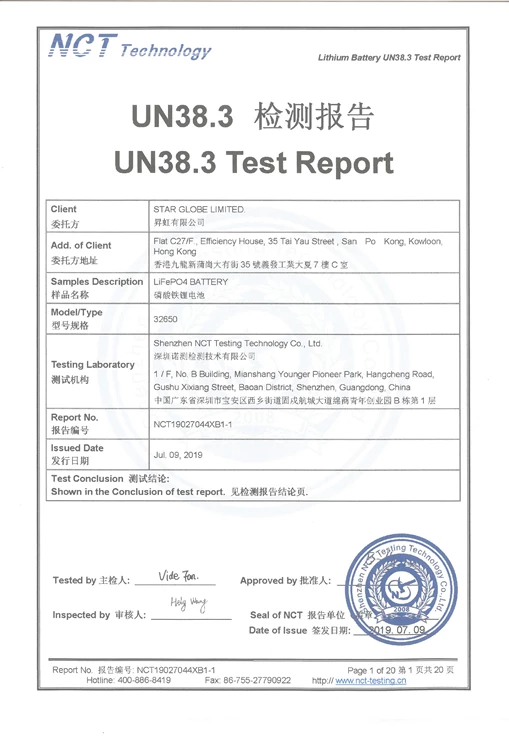
Quality Assurance & Certifications for Nigeria Projects
Infrastructure projects require confidence in product reliability, safety standards, and supplier capability.
Queneng follows strict quality management procedures and provides internationally recognized certifications and testing documents to support distributor cooperation, EPC projects, and government-related procurement.




Resources for Nigerian Solar Lighting Buyers
Choosing the right solar street lighting partner requires more than comparing products. Project owners, distributors, and contractors need reliable information about market requirements, technical considerations, installation planning, and supplier capabilities.
Queneng provides practical resources to help Nigerian customers better understand solar lighting projects and make informed decisions during project planning and procurement.

Choosing the right solar street light system is essential for achieving reliable outdoor lighting performance, long battery lifespan, and stable nighttime illumination.
Whether the project is for municipal roads, highways, industrial parks, villages, commercial spaces, or public infrastructure, selecting the proper solar street lighting configuration directly affects energy efficiency, installation costs, maintenance requirements, and long-term operational stability.
This guide explains the key factors that should be considered when choosing a solar street lighting system for different outdoor applications and environmental conditions.

For many years, solar street lighting was often viewed as a niche solution mainly used in remote villages or small off-grid applications.
That perception has changed rapidly.
Today, solar street lighting systems are being deployed across municipal roads, highways, industrial parks, residential communities, mining areas, and large-scale infrastructure projects worldwide.
The reason is no longer only environmental sustainability.
It is economics.
As electricity prices continue rising and infrastructure construction becomes more expensive, governments, contractors, and developers are paying closer attention to long-term operational costs instead of simply comparing upfront equipment pricing.
And this is where solar street lighting starts becoming financially attractive.
At first glance, many buyers still assume solar street lights are expensive.
After all, a complete system includes:
- • solar panels
- • lithium batteries
- • LED fixtures
- • intelligent controllers
- • structural mounting systems
Compared to a conventional street lamp fixture alone, the initial quotation may appear significantly higher.
But experienced infrastructure planners rarely evaluate a project based only on fixture cost.
Because in real-world roadway projects, the lighting fixture is often only a small part of the total investment.

The solar charge controller is one of the most critical components in a solar street lighting system. It directly affects charging efficiency, battery lifespan, and system reliability.
Two commonly used technologies are MPPT (Maximum Power Point Tracking) and PWM (Pulse Width Modulation) controllers.
This article explains their differences and helps you choose the right solution for solar street lighting projects.
Frequently Asked Questions About Solar Street Lighting in Nigeria
Nigeria's solar street lighting projects often involve questions about climate conditions, project planning, supplier selection, and international procurement.
The following FAQs address common concerns from Nigerian distributors, contractors, and infrastructure project buyers.
Nigeria
Why are solar street lights suitable for projects in Nigeria?
Solar street lights are suitable for Nigeria because they provide independent lighting without requiring extensive grid infrastructure. They are commonly used for roads, communities, public facilities, and commercial projects where reliable outdoor lighting is required.
Can solar street lights operate during Nigeria's rainy season?
Yes. Proper system design considers local solar conditions, rainfall patterns, battery capacity, and lighting requirements to ensure reliable operation during periods with reduced sunlight.
What types of Nigerian projects use solar street lights?
Solar street lights are commonly used in municipal roads, highways, residential communities, schools, industrial areas, commercial developments, and rural infrastructure projects.
Does Queneng supply solar street lights to Nigeria?
Yes. Queneng supports Nigerian distributors, EPC contractors, and project customers with solar street lighting products, engineering support, manufacturing, and international delivery services.
Can Queneng provide customized solar street lighting solutions for Nigeria projects?
Yes. Solar street lighting systems can be customized according to project requirements, installation environment, lighting needs, and customer specifications.
How long does shipping solar street lights from China to Nigeria take?
Shipping time depends on the destination port, logistics arrangement, and project requirements. Queneng provides export coordination and supports customers throughout the delivery process.
Does Queneng work with Nigerian solar street light distributors?
Yes. Queneng works with distributors and partners seeking reliable solar lighting products, OEM cooperation, and long-term supply relationships.
Develop Your Solar Lighting Project in Nigeria with Queneng
Whether you are planning a municipal lighting project, expanding a solar product distribution business, or developing infrastructure solutions in Nigeria, Queneng provides reliable manufacturing capability and professional project support.
Share your project requirements with our team and receive guidance on suitable solar lighting solutions for your application.
The messenger of light & power conversion.
© 2026 Queneng Light
 Jason Qiu
Queneng
Queneng
Queneng
Queneng