
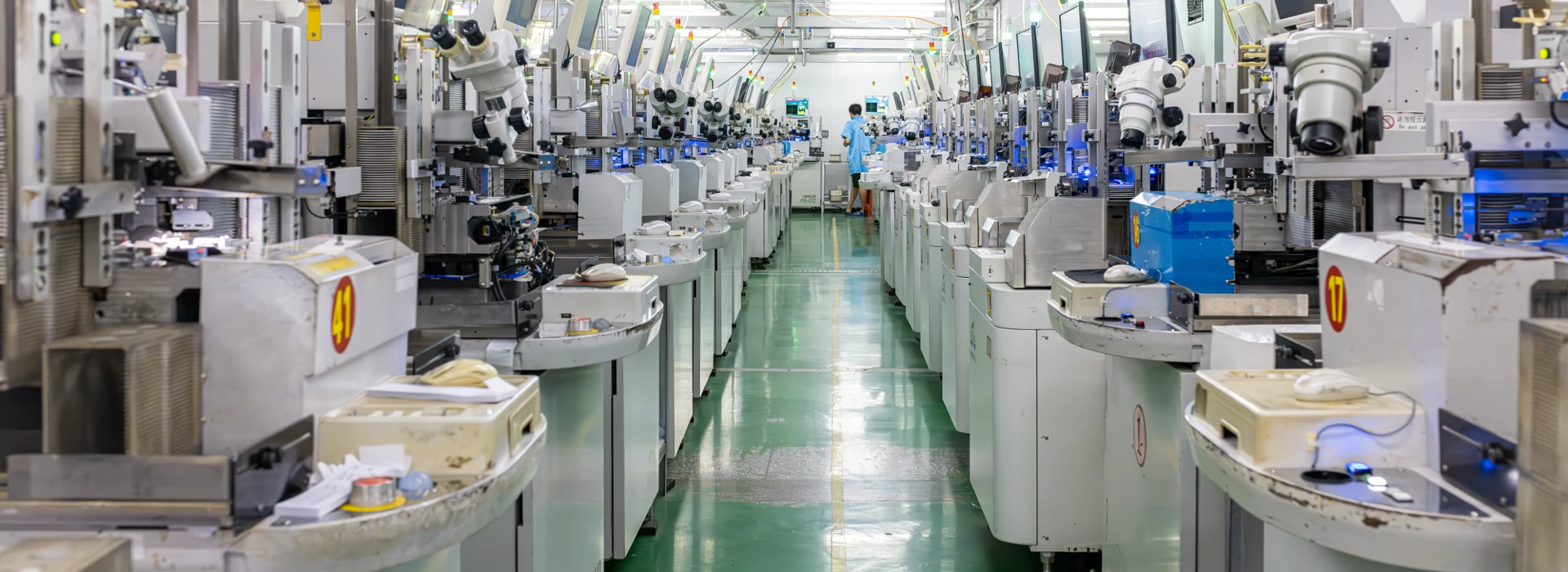
Solar Street Light R&D Center
Engineering Innovation for Reliable Solar Lighting Solutions
At Queneng, our R&D center focuses on developing reliable solar street lighting solutions that meet the requirements of different environments, applications, and infrastructure projects.
Combining engineering experience, manufacturing capability, and real-world project feedback, our R&D team continuously improves product design, system performance, and application adaptability.
From initial concept development to engineering optimization, we work closely with production and project teams to transform practical lighting requirements into reliable solar lighting solutions.
Our R&D capability enables Queneng to support customized requirements from distributors, EPC contractors, municipalities, and government infrastructure projects worldwide.
2013
Established
+
R&D Engineers
+
Product Developed
+
Annual New Product Updates
+
Countries Served
Engineering Innovation Behind Reliable Solar Lighting Solutions

-
Developing a reliable solar street lighting system requires more than manufacturing capability. It requires continuous engineering optimization, practical application experience, and a deep understanding of different project environments.
-
Queneng's R&D team works across product design, system optimization, and project requirements to improve the reliability, efficiency, and adaptability of solar street lighting solutions.
-
By combining research, engineering analysis, and manufacturing feedback, we continuously refine our products to better serve different road conditions, climates, and infrastructure applications.
Our R&D Capabilities
Queneng's R&D capabilities cover the complete development cycle of solar street lighting solutions, from product concept evaluation and engineering design to prototype development and application optimization.
By working closely with manufacturing, quality, and project teams, our engineers ensure that new products and customized solutions are designed with practical production requirements and real-world application conditions in mind.
Our multidisciplinary approach enables Queneng to develop solar lighting systems that are not only technically reliable but also suitable for different markets, climates, and infrastructure requirements.

Product Design & Development

System Engineering & Configuration Design

Lighting Simulation & Optimization

Prototype Development & Improvement
Product Development Process

-
-
Every new solar lighting solution follows a structured development process that combines engineering analysis, prototype evaluation, manufacturing feedback, and continuous improvement.
-
This approach helps Queneng transform customer requirements and market needs into reliable solar street lighting solutions.
-


Engineering Design for Different Applications
-
Solar street lighting projects are influenced by many factors, including road classification, installation environment, climate conditions, and application requirements.
-
At Queneng, our engineering team considers these real-world conditions during product development and solution optimization. By combining project experience with manufacturing capability, we develop solar lighting systems designed for different applications and operating environments.
-
This engineering approach helps ensure that our products can support diverse projects, from urban roads and highways to rural communities and infrastructure developments.


Engineering Considerations for African Road Projects
-
With extensive experience serving African markets, Queneng's engineering team understands the unique requirements of solar street lighting projects across different regions.
-
During product development and solution optimization, we consider factors such as road classification, climate conditions, rainy seasons, installation environments, and maintenance requirements to develop more suitable solar lighting solutions.

Road Classification Adaptation

Climate Adaptation

Maintenance-Oriented Design
Continuous Improvement & Innovation

-
-
-
At Queneng, product development does not end when a new model enters production. Continuous improvement is an ongoing process driven by engineering analysis, manufacturing experience, project feedback, and changing market requirements.
-
Our R&D team works closely with production, quality, and project engineers to evaluate product performance, identify opportunities for optimization, and implement improvements that enhance reliability, manufacturability, and long-term field performance.
-
-
Innovation Driven by Real Projects
-
-
-
Real-world infrastructure projects provide valuable engineering insights that support continuous product development.
By analyzing installation environments, operating conditions, maintenance requirements, and customer feedback, our engineering team gains practical experience that contributes to future product optimization and solution development.
This connection between engineering, manufacturing, and field applications allows Queneng to continuously improve products based on practical project experience rather than theoretical assumptions.
-
-
Inside Our R&D Center

-
-
-
Innovation is supported not only by engineering expertise but also by a structured research and development environment.
Queneng's R&D center provides dedicated spaces for product design, engineering evaluation, technical collaboration, and prototype development. By integrating engineering activities with manufacturing and project experience, our R&D center supports the continuous development of reliable solar street lighting solutions.
-
-


Our Engineering Team

-
-
-
Behind every Queneng solar street lighting solution is a multidisciplinary engineering team with expertise in product development, system integration, structural design, and project applications.
-
By combining engineering knowledge with manufacturing experience and project feedback, our team develops practical solar lighting solutions that support a wide range of infrastructure projects.
-
-
From Engineering to Manufacturing

-
-
A successful solar street lighting product requires more than engineering innovation—it also requires efficient collaboration between design, manufacturing, quality, and project teams.
-
At Queneng, every new product follows a structured transition from engineering development to manufacturing implementation. This collaborative approach helps ensure that new designs can be produced efficiently while maintaining consistency, reliability, and practical application value.
-
R&D Supporting Future Infrastructure Projects
Our R&D team continues to improve solar street lighting solutions to support evolving infrastructure needs, including higher road classifications, demanding environmental conditions, and long-term outdoor applications.
Frequently Asked Questions
-
Find answers to common questions about Queneng's research and development capabilities, engineering support, and product innovation.
R&D Center
Can Queneng develop customized solar street lighting solutions?
Yes. Our engineering team supports customized product development based on project requirements, application environments, branding needs, and technical specifications.
Do you provide engineering support before production?
Yes. Our engineers evaluate project requirements and provide technical recommendations before manufacturing begins.
Can your engineers optimize product configurations?
Yes. Configuration optimization is an important part of our engineering process. Product recommendations are developed according to application requirements and project conditions.
Do you support lighting simulation?
Yes. Engineering teams can perform lighting analysis and simulation to assist project planning and solution evaluation where required.
How does your R&D team improve existing products?
Continuous product improvement is driven by engineering analysis, manufacturing feedback, and practical project experience. This ongoing process helps optimize product performance and application suitability over time.
Does your R&D team work with the manufacturing department?
Yes. Engineering and manufacturing teams work closely throughout product development to help ensure new designs can be manufactured efficiently and consistently.
Build Better Solar Street Lighting Solutions with Queneng
Whether you need a standard product, a customized engineering solution, or technical support for an infrastructure project, Queneng's R&D team is ready to assist.
From concept development and engineering evaluation to manufacturing preparation and project implementation, we work closely with our customers to deliver practical and reliable solar street lighting solutions.
The messenger of light & power conversion.
© 2026 Queneng Light
 Jason Qiu
Queneng
Queneng
Queneng
Queneng