
Solar Panels for Solar Street Lights

High-Efficiency Monocrystalline Solar Panel Solutions for Reliable Outdoor Lighting
Solar panels are the energy source behind every solar street lighting system. Their performance directly affects charging efficiency, battery autonomy, lighting duration, and the overall reliability of outdoor infrastructure projects.
At Queneng, we manufacture high-efficiency monocrystalline solar panels specifically designed for solar street lighting applications. Through vertically integrated production and years of experience serving African markets, we provide dependable solar energy solutions for highways, municipal roads, rural communities, industrial parks, schools, and other public infrastructure projects.
Our solar panel solutions are engineered to perform under demanding outdoor conditions, including high temperatures, rainy seasons, strong UV exposure, and coastal environments.
Whether you are a distributor, wholesaler, lighting contractor, EPC company, or municipal project developer, Queneng provides reliable solar panels and complete support for long-term outdoor lighting projects.

What Is A Solar Panel?
A solar panel, also known as a photovoltaic (PV) panel, is a device that converts sunlight directly into electrical energy through photovoltaic technology.
Solar panels are made up of multiple interconnected solar cells that absorb sunlight and generate direct current (DC) electricity. This electricity can then be used immediately or stored in batteries for later use.
In solar street lighting systems, solar panels act as the primary energy source.
During the daytime, sunlight is collected and converted into electricity. The generated energy is then managed by a smart charge controller and stored inside a lithium battery. After sunset, the stored energy powers the LED lighting system automatically.
This process allows solar street lights to operate independently of the electrical grid, making them an ideal solution for highways, municipal roads, rural communities, school campuses, industrial areas, residential communities, coastal roads, gas stations, and public infrastructure projects.
As global demand for sustainable energy continues to grow, solar panels have become an essential component of modern outdoor lighting systems.

Main Components of a Solar Street Light Solar Panel System
The solar panel sits at the beginning of the entire energy cycle.
If the solar panel produces insufficient energy, the battery cannot be fully charged. As a result, lighting duration decreases, rainy-season performance declines, and the overall lifespan of the system may be reduced.
For infrastructure projects where reliability is critical, selecting the right solar panel technology is essential.
How Solar Panels Work
Solar panels operate based on the photovoltaic effect.
When sunlight strikes the photovoltaic cells, electrons become energized and generate direct current (DC) electricity.
This electricity flows through the charge controller and is stored in the battery system.
During the night, the controller automatically supplies power from the battery to the LED light source, enabling reliable illumination without relying on the electrical grid.
Basic Working Process

* This self-sustaining process allows solar street lighting systems to operate efficiently while reducing energy costs and maintenance requirements.

Monocrystalline vs Polycrystalline Solar Panels
Solar panels are generally classified into two main categories: monocrystalline solar panels and polycrystalline solar panels. Although both technologies convert sunlight into electricity, they differ in efficiency, performance, and long-term reliability.

* Faster battery charging
* Better low-light performance
* Lower degradation rates
* Longer service life
* Improved temperature resistance
* More stable energy output
They are recognized for their high conversion efficiency and excellent performance under various environmental conditions.

* Moderate conversion efficiency
* Larger panel size for equivalent power
* Faster performance degradation
* Reduced efficiency in high-temperature conditions
Polycrystalline technology is suitable for some low-cost applications but is less common in high-performance outdoor lighting systems.
| Feature | Monocrystalline |
| Efficiency | Higher |
| Space Utilization | Excellent |
| Charging Speed | Faster |
| High Temperature Performance | Better |
| Low-Light Performance | Excellent |
| Service Life | Longer |
| Energy Yield | Higher |
| Recommended for Solar Street Lights | Yes |
* For infrastructure projects requiring long service life and stable performance, monocrystalline solar panels are generally the preferred choice.
For this reason, Queneng focuses on high-efficiency monocrystalline solar panel technology.

Solar Panel Structure and Materials
The solar panels of the Quneng solar panel are made of multiple layers of materials and use full welding technology to ensure that the entire solar street light system has high energy conversion efficiency and long service life in harsh outdoor environments.
Tempered Glass
EVA Encapsulation Layer
Monocrystalline
Backsheet Protection Layer
Aluminum Frame
Junction Box
Our Solar Panel Manufacturing Process
The quality of a solar panel depends not only on materials but also on how it is manufactured.
Every production stage influences performance, reliability, and service life.
At Queneng, strict manufacturing procedures help ensure consistency and long-term durability.


Why Solar Panel Quality Matters in Africa
A high-quality solar panel contributes directly to:


Designed for Demanding African Conditions
From densely populated cities to remote off-grid villages, our solar panel solutions are engineered to deliver dependable performance where reliable electricity infrastructure may not always be available.


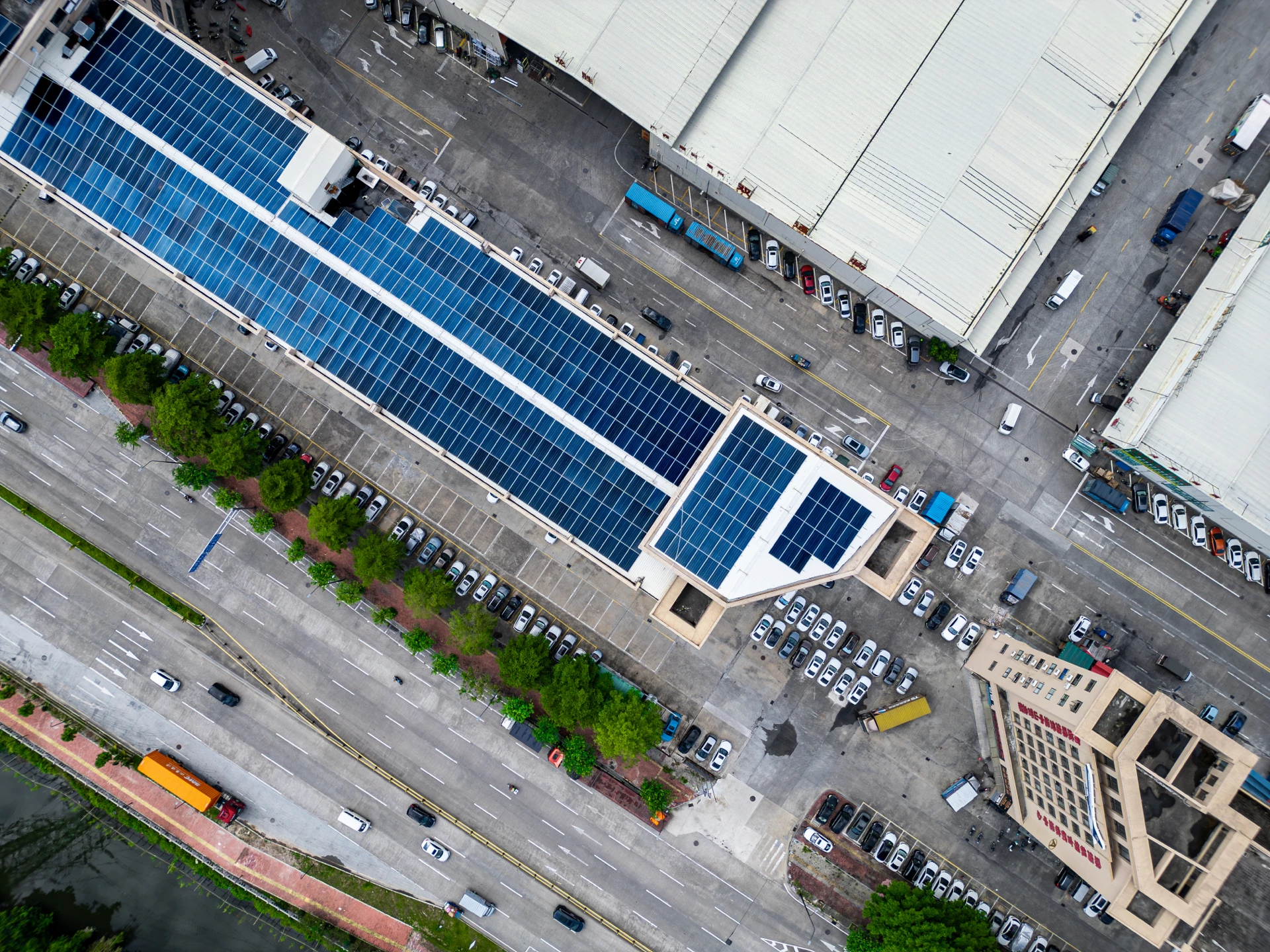

Reliable Solar Panel Solutions from an Experienced Manufacturer
Why Queneng Uses Monocrystalline Solar Panels
At Queneng, we prioritize long-term performance rather than simply reducing initial cost.
For solar street lighting projects installed in Africa, environmental conditions can be extremely demanding.
High temperatures, seasonal rainfall, dust accumulation, and long operating hours require a more reliable energy source.
We use high-efficiency monocrystalline solar panels that are helping contractors, distributors, and municipalities achieve lower lifecycle costs and more dependable lighting performance.






Understanding the Different Types of Solar Panels
Selecting the right panel technology has a significant impact on project performance.


Frequently Asked Questions About Solar Panels
Choosing the right solar panel is essential for the long-term performance of solar street lighting projects.
Below are common questions from distributors, contractors, and project developers about solar panels for outdoor lighting applications.
Solar Panles
What type of solar panels are best for solar street lights?
Monocrystalline solar panels are generally the preferred choice for solar street lighting systems because they provide higher conversion efficiency, better low-light performance, and longer service life compared with traditional polycrystalline panels.
For infrastructure projects such as highways, municipal roads, and rural lighting projects, high-efficiency monocrystalline solar panels help improve charging performance and system reliability.
Why does Queneng use monocrystalline solar panels?
Queneng uses monocrystalline solar panel technology because it provides better energy output and long-term stability.
The main advantages include:
- Higher conversion efficiency
- Better performance in hot climates
- Improved charging capability during cloudy weather
- Lower degradation rate
- Longer service life
These advantages make monocrystalline panels suitable for demanding outdoor environments, especially across African markets.
How long do solar panels last?
High-quality solar panels typically have a service life of more than 20–25 years under normal operating conditions.
Actual lifespan depends on:
- Material quality
- Installation environment
- Temperature conditions
- Maintenance practices
With proper system design and installation, Queneng solar panels can provide stable energy generation for long-term solar lighting projects.
Are solar panels suitable for Africa’s climate?
Yes.
Solar panels are highly suitable for African countries due to abundant sunlight resources.
However, different regions require consideration of:
- High temperatures
- Rainy seasons
- Dust conditions
- Coastal humidity
Queneng solar panels are designed for outdoor applications and can be used in:
- Nigeria
- Kenya
- Tanzania
- Uganda
- Zambia
- South Africa
- Angola
- Other African regions
Can solar panels work during rainy seasons?
Yes.
Solar panels can still generate electricity during cloudy and rainy weather, although energy production may decrease.
To maintain reliable lighting during rainy seasons, solar street lighting systems should be properly designed with:
- High-efficiency solar panels
- MPPT controllers
- Suitable battery capacity
- Correct system configuration
Queneng provides engineering support to optimize solar lighting systems according to local climate conditions.
What factors affect solar panel efficiency?
Solar panel performance is affected by:
- Solar radiation level
- Installation angle
- Panel orientation
- Temperature
- Dust accumulation
- Shading conditions
- Solar cell quality
Proper system design is essential to maximize energy generation.
Can Queneng provide customized solar panels?
Yes.
Queneng provides customized solutions based on:
- Project requirements
- Lighting power demand
- Installation environment
- Climate conditions
- Customer specifications
OEM and ODM services are available for distributors and project partners.
Can Queneng provide solar panels for government and infrastructure projects?
Yes.
Queneng supports large-scale solar street light projects, including:
- Highway lighting projects
- Municipal road projects
- Rural electrification projects
- Industrial park lighting
- Public infrastructure projects
We provide product recommendations, technical support, and project cooperation services.
What information is required for solar panel system design?
To recommend the correct solar panel configuration, customers usually need to provide:
- Project location
- Application scenario
- Required lighting hours
- Pole height
- Solar street light power
- Local weather conditions
- Expected backup days
Our engineering team can help evaluate the suitable solar panel and system configuration.
Does Queneng provide technical support after purchase?
Yes.
Queneng provides technical support, including:
- Product selection assistance
- Installation guidance
- System configuration support
- Project consultation
- After-sales service
Our goal is to help customers achieve reliable long-term project performance.
Engineering Guides for Solar Street Lighting Projects
Explore engineering guides, installation recommendations, project planning resources, battery configuration advice, and solar roadway lighting best practices for infrastructure projects across Africa.

Choosing the right solar street light system is essential for achieving reliable outdoor lighting performance, long battery lifespan, and stable nighttime illumination.
Whether the project is for municipal roads, highways, industrial parks, villages, commercial spaces, or public infrastructure, selecting the proper solar street lighting configuration directly affects energy efficiency, installation costs, maintenance requirements, and long-term operational stability.
This guide explains the key factors that should be considered when choosing a solar street lighting system for different outdoor applications and environmental conditions.

For many years, solar street lighting was often viewed as a niche solution mainly used in remote villages or small off-grid applications.
That perception has changed rapidly.
Today, solar street lighting systems are being deployed across municipal roads, highways, industrial parks, residential communities, mining areas, and large-scale infrastructure projects worldwide.
The reason is no longer only environmental sustainability.
It is economics.
As electricity prices continue rising and infrastructure construction becomes more expensive, governments, contractors, and developers are paying closer attention to long-term operational costs instead of simply comparing upfront equipment pricing.
And this is where solar street lighting starts becoming financially attractive.
At first glance, many buyers still assume solar street lights are expensive.
After all, a complete system includes:
- • solar panels
- • lithium batteries
- • LED fixtures
- • intelligent controllers
- • structural mounting systems
Compared to a conventional street lamp fixture alone, the initial quotation may appear significantly higher.
But experienced infrastructure planners rarely evaluate a project based only on fixture cost.
Because in real-world roadway projects, the lighting fixture is often only a small part of the total investment.

The solar charge controller is one of the most critical components in a solar street lighting system. It directly affects charging efficiency, battery lifespan, and system reliability.
Two commonly used technologies are MPPT (Maximum Power Point Tracking) and PWM (Pulse Width Modulation) controllers.
This article explains their differences and helps you choose the right solution for solar street lighting projects.
Get Reliable Solar Panel Solutions for Your Lighting Projects
Whether you need solar panels for highway lighting, municipal projects, rural roads, or large-scale infrastructure applications, our team can help design the right solution based on your project requirements.
The messenger of light & power conversion.
© 2026 Queneng Light
 Jason Qiu
Queneng
Queneng
Queneng
Queneng